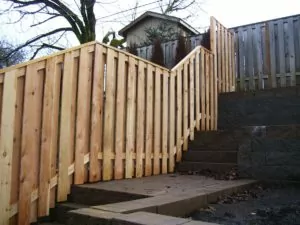
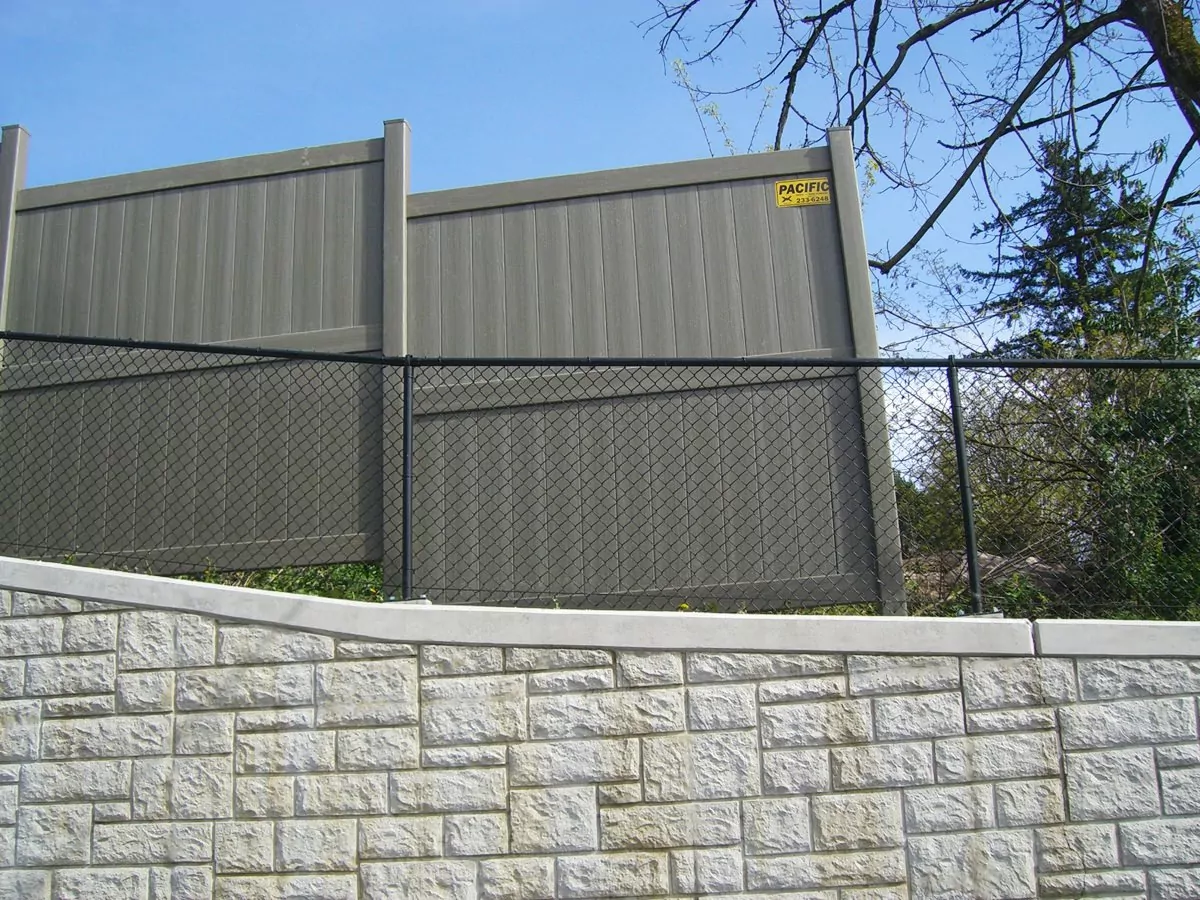
If you’re planning to build a fence on your property, it’s natural to focus on materials, style, and budget. But many Portland homeowners don’t realize just how important fence height regulations are, or that the city has detailed rules to follow. These rules help protect visibility, ensure safety, and reduce conflicts between neighbors. The good news? Once you understand the basics of fence height regulations in Portland, Oregon, staying compliant becomes simple.
This guide breaks down the most important fence rules in Portland, Oregon, in clear, approachable language. Whether you’re a DIY-minded homeowner or simply exploring your options, this overview will help you feel confident as you plan your project.
Why Fence Height Rules Exist in Portland
Portland’s regulations aren’t meant to make your project harder; they exist to keep neighborhoods safe and ensure fences don’t create hazards. Height limits protect driver visibility, keep property lines clear, and help maintain a consistent, comfortable look throughout residential areas.
These rules also outline when a project requires a permit, which protects homeowners from costly mistakes later. If this is your first time researching fence height guidelines, don’t worry. Everything you need to know falls into a few easy-to-understand categories.
Understanding Property Lines and Boundary Lines Before You Build
Before you buy materials or mark your posts, make sure you understand your property lines. A fence that’s even a few inches over the boundary lines can lead to disputes, legal issues, or unexpected reconstruction costs. Most homeowners confirm their boundary line by checking:
- Their property survey
- County records
- Existing stakes or markers
- A paid surveyor for complete certainty
If you plan to build anything close to the property line, talk with your neighbor beforehand. Clear communication prevents misunderstandings later on.

How Tall Can a Fence Be in Portland
Here are the general regulations for fence height in Portland. These rules apply to most residential properties unless unique zoning conditions apply.
Most residential fences:
Up to 6 feet tall without special permissions
Backyard fences:
Often allowed up to 7 feet tall
Anything taller than seven feet requires a building permit
Front yard fences:
Usually limited to 3.5 to 4 feet, depending on visibility and setback rules
These limits help ensure visibility for drivers, pedestrians, and anyone backing out of a driveway.
For full details, homeowners can review the city’s fence permit page.
Front Yard vs. Backyard Fence Rules
Portland defines the front yard as the area facing the street. Because this space affects traffic visibility, front yard fences have stricter limits. Most front yard fences cannot exceed 3.5–4 feet in height, and in some cases, they must be more open, such as picket or lattice designs, to allow visibility.
The backyard generally allows more flexibility. That’s why many homeowners build full-height privacy fencing only along their side and back property lines.
This distinction becomes especially important for a corner lot, where two front yards may apply. Homeowners often don’t realize this until they review the code requirements, so it’s a good idea to double-check your zoning map or contact Portland’s Bureau of Development Services (BDS) for clarification.
When You Need a Building Permit for a Fence
The City of Portland keeps the permitting process fairly straightforward. You may need a building permit if your project meets any of the following conditions:
- The fence will be taller than seven feet
- You’re attaching a fence to a retaining wall
- Your fence impacts visibility near a sidewalk or street
- Your zoning overlay includes special conditions
- You’re modifying an older fence that already required a permit
If you’re unsure whether your project requires a permit, the safest option is to contact BDS or review the Portland permit guidelines directly. A permit helps ensure your fence meets both the building code and the zoning code, giving you added protection if issues arise later.
Fence Requirements for Swimming Pools
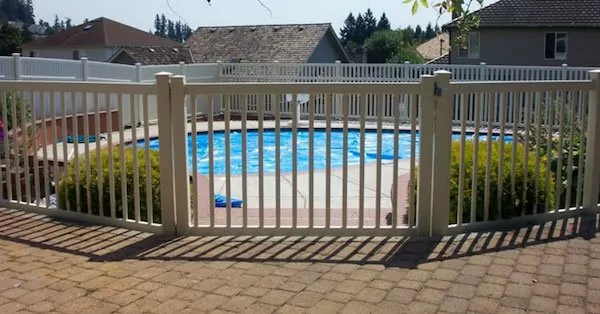
A fence enclosing a swimming pool follows additional regulations for safety, many of which are part of the State of Oregon building code. If you have, or plan to build, a pool, your fence will need to include:
- A minimum height requirement
- A self-closing, self-latching gate
- No large gaps or footholds
- Approved materials such as wood, vinyl, or chain-linked fencing
Because pool safety rules are stricter than standard fence rules, it’s a good idea to work with professionals or confirm specifics through the city.
Setback Requirements and Where You Can Place Your Fence
Many homeowners assume a fence can be built anywhere on their property, but setback requirements sometimes restrict placement. In most residential zones, fences can be built directly on the property line, but exceptions exist, especially near intersections, alleys, utility easements, or protected environmental zones.
If you plan to build near a driveway, alley, or sidewalk, make sure your fence doesn’t block visibility or violate the city’s setback requirements. Reviewing your zoning information early prevents surprises later.
Which Fence Materials Meet Portland’s Regulations?
Portland allows a wide variety of materials as long as they meet safety and visibility rules. At Pacific Fence & Wire, we regularly install:
- Cedar wood for natural privacy
- Vinyl for low-maintenance durability
- Wrought iron for decorative openness
- Chain link for secure, cost-effective boundaries
Because our team has more than 100 years of local experience, we understand which materials perform best in Portland’s rainy, four-season climate.

Common Mistakes Homeowners Make When Building a Fence
Even well-intentioned DIY projects run into issues if regulations aren’t reviewed ahead of time. The most common mistakes include:
- Building over the property line
- Ignoring front yard height limits
- Forgetting visibility rules on corner lots
- Choosing materials that don’t meet building code
- Assuming a permit is never required
A little research upfront, or a quick call to Pacific Fence & Wire, can help you avoid costly corrections later.
Homeowner Checklist Before You Build
Here’s a quick checklist to simplify the planning process:
- Confirm property lines
- Review Portland’s zoning code
- Determine whether your fence meets height rules
- Check if your plan requires a permit
- Consider visibility rules for corner lots
- Choose compliant materials
- Get a free estimate from Pacific Fence & Wire
Frequently Asked Questions About Fence Height Regulations in Portland, Oregon
How tall can my backyard fence be?
Most homeowners can build up to 6-7 feet. Anything taller requires a building permit.
Do I need a permit for a 6-foot fence?
Not usually. Permits are generally required only for fences taller than seven feet.
What if my neighbor disagrees about the property line?
Verify boundary lines through a surveyor or county records before building.
Do corner lots have different rules?
Yes. Many corner lots have two “front yards,” which affects fence height and visibility.
What about fences around a swimming pool?
Pool fences must meet State of Oregon building code safety requirements and typically need to be higher and more secure.
Need Help Navigating Portland’s Fence Regulations? We’re Here for You.
Fence rules can feel confusing at first, especially if this is your first home improvement project. With more than 100 years of experience, Pacific Fence & Wire has helped thousands of Portland-area homeowners build fences that meet the code, respect property lines, and look great for years.
If you’re unsure where to start or just want a second opinion, our team is happy to help.
Contact us today for a free estimate and expert guidance on your fence project.