How to Build a Gate for a Fence
Every fence serves a purpose—whether it’s privacy, security, or defining a property line—but a fence without a gate is incomplete. Gates provide the access point you use daily, whether you’re taking out the trash, welcoming guests, or securing equipment. Knowing how to build a gate for a fence that’s durable, secure, and looks good will give you peace of mind and years of use.
At Pacific Fence & Wire Co., we’ve seen countless examples where the gate becomes the most frequently used (and sometimes most neglected) part of the fence. By planning ahead and building with the right materials, you’ll ensure your gate lasts as long as the rest of the fence.
How to Build a Gate for a Fence: Step-by-Step
If you’re ready to take on the project yourself, here’s the process for how to build a gate for a fence, from planning to finishing touches:
- Plan Your Gate Location and Size
- Gather the Right Materials and Tools
- Build a Strong Frame
- Attach Boards or Panels
- Hang the Gate with Quality Hardware
- Add a Secure Latch and Handle
- Apply Finishing Touches

Step 1: Plan Your Gate Location and Size
The first step in any successful gate build is careful planning. Too often, homeowners rush into buying materials without considering how the gate will be used or how it will interact with its surroundings. Will it need to swing inward toward your yard, or outward toward a sidewalk? Will it be wide enough for lawn equipment or just intended for foot traffic? These details matter and will affect both the usability and lifespan of your gate.
- Measure the opening carefully. The width of your gate should match the space between the fence posts. For residential backyards, common widths are 3–4 feet for walk gates and 10–12 feet for double-drive gates.
- Consider clearance. Gates need space to swing open without hitting landscaping, walls, or other obstructions.
- Choose swing direction. Decide if your gate will swing inward (most common) or outward, based on space and convenience.
Pro tip: If you’re planning for a heavy gate, set wider, reinforced posts to handle the extra weight.
Step 2: Gather the Right Materials and Tools
Before you can start cutting boards or hanging hardware, you’ll need to gather all the right materials and tools. A gate experiences more stress than the rest of your fence—constantly opening, closing, and carrying its own weight—so quality hardware and sturdy posts are essential. Skimping on materials might save money upfront, but it often leads to sagging gates, loose latches, and expensive repairs later.
- Gate frame: Pressure-treated wood for cedar fences, vinyl kits for vinyl fences, or prefabricated panels for chain link or wrought iron.
- Posts: Set deeper and sturdier than standard fence posts to support hinges and weight.
- Hardware: Heavy-duty gate hinges, latches, handles, and corrosion-resistant screws or bolts.
- Tools: Post-hole digger, level, saw, drill, and measuring tape.
Step 3: Build a Strong Frame
The frame is the heart of your gate, and building it properly is what separates a reliable gate from one that starts sagging within months. Think of the frame as the skeleton—it has to be square, stable, and reinforced to carry the weight of boards or panels.
Cutting corners here often means the rest of your effort won’t last.
- Cut your rails and stiles. Use two horizontal rails and two vertical stiles, forming a rectangle.
- Add diagonal bracing. A diagonal brace from the top hinge corner to the opposite bottom corner prevents sagging over time.
- Square and secure. Check that all corners are 90 degrees before fastening with exterior screws or bolts.
Without proper bracing, even the most beautiful gate will sag within a year or two.
Step 6: Add a Secure Latch and Handle
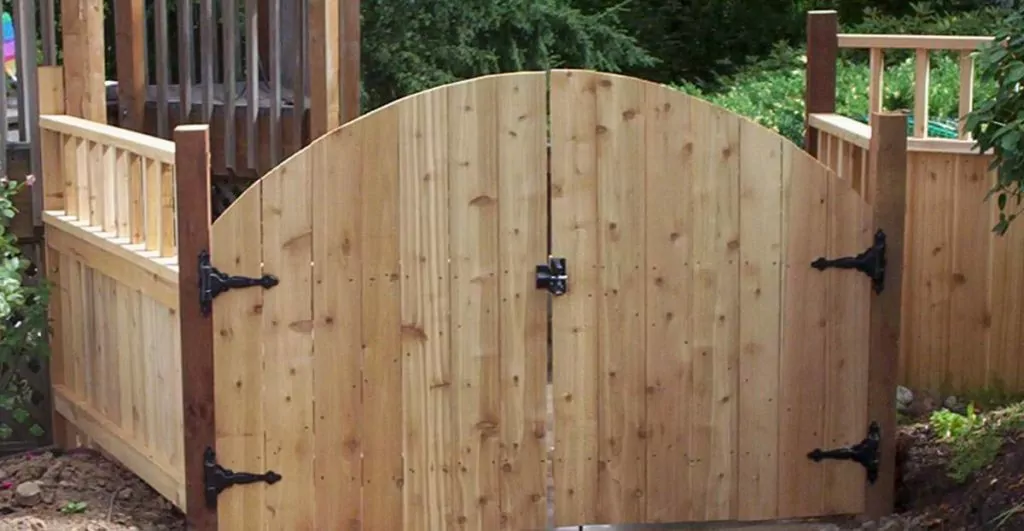
The latch is what turns a swinging panel into a functioning gate, and it’s often the piece you’ll interact with the most. A good latch should be strong, easy to operate, and appropriate for the location. For example, pool gates require self-closing latches to meet safety codes, while backyard garden gates may only need a simple gravity latch.
Don’t overlook this step—your latch and handle are the everyday touchpoints that determine whether your gate feels reliable.
- Gravity latches – Simple and effective for backyard gates.
- Self-closing latches – Perfect for pool fences or child-safe areas.
- Lockable latches – Add extra security for businesses or high-value properties.
Pair your latch with a sturdy handle for easy use. Pacific Fence & Wire offers a variety of latch options to meet safety codes and personal preferences.
Step 7: Apply Finishing Touches
Even after the gate is hung and latched, there are finishing details that make the difference between a good gate and a great one. This final step ensures your gate is weather-protected, visually aligned with the fence, and durable enough to handle years of daily use. Taking time here prevents problems later and helps your gate remain attractive as well as functional.
- Seal or stain wood. Protects cedar or pressure-treated lumber from moisture and UV damage.
- Check alignment. Ensure the latch lines up smoothly and the gate doesn’t rub.
- Test durability. Open and close multiple times to confirm strength and ease of use.
Your gate should feel solid and secure—not wobbly or flimsy.
Common Mistakes to Avoid
Many homeowners dive into gate projects only to find themselves frustrated when the gate doesn’t hang or swing as expected. Learning from common mistakes can save time, money, and headaches.
From improper post depth to weak hardware, most issues come down to skipping steps or choosing shortcuts. Avoiding these pitfalls will help you get the most from your effort.
- Posts not set deep enough. Leads to shifting or sagging.
- Skipping diagonal bracing. The fastest way to a droopy gate.
- Using light-duty hardware. Hinges and latches must match the gate’s weight.
- Poor weatherproofing. In Portland’s wet climate, untreated wood won’t last.
Avoiding these mistakes can save you from a costly rebuild in just a few years.
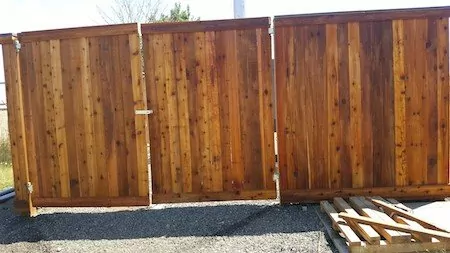
DIY vs. Professional Installation
Building a gate yourself can be rewarding if you have the tools, skills, and patience. But many property owners decide to hire professionals to avoid common headaches and ensure long-term results. The difference often shows in the details: perfectly plumb posts, hardware rated for the gate’s weight, and a gate that closes smoothly every time.
If you’re pressed for time (or skill), uncertain about codes, or want a warranty on the work, hiring a professional is the best route.
- Precision. Professionals ensure perfect alignment, preventing sagging.
- Durability. Heavy-duty hardware and posts are installed to last decades.
- Compliance. Some gates, like pool fences, must meet strict safety codes.
- Time savings. What takes a weekend DIY project can be done in hours by pros.
Pacific Fence & Wire has been building gates and fences for more than a century—we know how to do it right the first time.
FAQs About How to Build a Gate for a Fence
Q: How wide should my gate be?
Most walk gates are 3–4 feet wide, while driveway gates are 10–12 feet. The right size depends on use and available space.
Q: What type of wood works best for a gate?
Cedar is a popular choice in Portland because it’s naturally resistant to rot and insects. Pressure-treated lumber is also durable.
Q: How do I stop my gate from sagging?
Add a diagonal brace from the top hinge corner to the opposite bottom corner, and use heavy-duty hinges.
Q: Do I need a special latch for pool fences?
Yes. Safety codes typically require self-closing, self-latching gates that are at least 4 feet tall.
Q: Can Pacific Fence & Wire install a gate for me?
Absolutely. We provide everything from hardware to complete installation for residential, commercial, and industrial gates.
Secure, Functional, and Built to Last
A gate is more than just an entry point—it’s the part of your fence you’ll use every day. Building one yourself can be rewarding, but getting it wrong can mean years of frustration.
That’s where Pacific Fence & Wire comes in. Whether you need hinges, latches, replacement parts, or a pre-made, professionally installed gate, we’ve got you covered.
Contact Pacific Fence & Wire today for a free estimate and let us help you build a gate that’s as strong and reliable as your fence.