What to Know Before Installing a Fence in Cold Weather
(Updated January 2026) A Winter fence replacement may not feel like the obvious time to replace a fence, but in the Pacific Northwest, it’s often a practical and strategic choice. While many homeowners assume fence installation should wait until Spring, the reality is that a fence can be installed in Winter, and sometimes with added benefits.
Understanding how Winter conditions affect fence installation helps you decide whether moving forward now makes sense or whether waiting until Spring is the better option for your property.
Can You Install a Fence in Winter?
Yes, fence installation is possible during Winter and colder weather. The key is experience, planning, and using the right materials and equipment.
In Portland and the surrounding areas, Winter weather often means rain, occasional heavy snow, and freeze-thaw cycles rather than prolonged deep freezes. Professional installers adjust methods based on ground conditions, frost line depth, and daily weather patterns to ensure fence posts are set correctly and securely.
Winter fence installation is not about rushing or cutting corners, but about adapting to seasonal conditions while maintaining long-term performance.
Winter Fence Installation Challenges You Should Understand
Installing a fence in Winter does come with challenges, and it’s important to know what they are before planning your project.
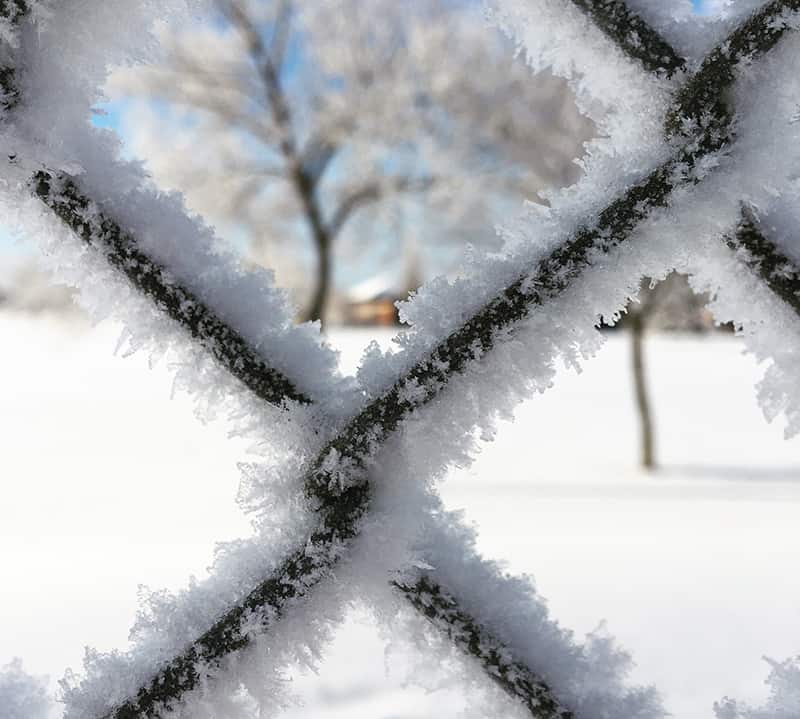
Frozen ground is the most common concern. When soil hardens, digging traditional post holes becomes more difficult. Installers often rely on post pounding or augers designed to dig through frozen or compacted ground without compromising stability.
Winter weather can also affect scheduling. Heavy snow, ice, or prolonged rain may delay work for safety reasons. However, these delays are usually short and predictable with proper planning.
What Are the Challenges of Installing a Fence in Cold Weather?
Cold weather affects both the ground and the materials being installed. Fence posts must be set below the frost line to prevent movement during freeze-thaw cycles. If posts are set too shallow, shifting soil can cause leaning or instability over time.
Winter conditions may also limit access to parts of your yard, especially if snow accumulates or drainage is poor. Experienced crews account for this by staging materials carefully and using weather-resistant materials that perform well in cold temperatures.
The biggest challenge for homeowners is often expectation management. Winter fence installation may move at a different pace, but the end result is just as durable when done correctly.
Fence Posts, Frozen Ground, and the Frost Line
Fence posts are the foundation of any fence, and Winter installation places extra emphasis on getting them right. In colder months, installers must account for the frost line, the depth at which ground freezes. Posts are set deep enough to stay stable even as soil expands and contracts through freeze-thaw cycles.
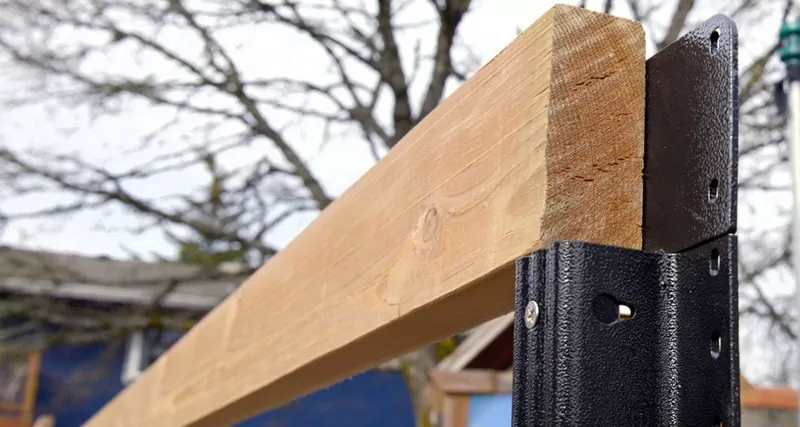
Post pounding is often preferred during Winter because it allows posts to be driven below the frost line without excavating frozen soil. This method creates a tight, compact fit that improves long-term stability, especially in areas with heavy Winter moisture.
Winter Fence Installation: What to Expect During the Process
Winter fence installation looks similar to warm-weather installation, with a few seasonal adjustments. Crews monitor daily weather and plan work around safe conditions. Specialized equipment may be used to handle frozen ground or wet soil. Materials are staged to avoid unnecessary exposure to snow or standing water.
You can expect clear communication about timing, progress, and any weather-related adjustments. While Winter projects may span more days than summer installs, they are rarely prolonged significantly when planned properly.
How to Prepare Your Property for Winter Fence Installation
Preparing your property helps keep Winter fence installation on schedule and reduces complications. Remove outdoor furniture, decorations, or debris along the fence line. Make sure gates and access areas are unlocked and safe to navigate.
If you have pets, plan to keep them indoors during installation. Wet or muddy conditions make open work areas less predictable, and safety is always the priority.
Preparing your yard ahead of time saves time and allows installers to focus on quality work rather than navigating obstacles.
Materials for Winter Fence Installation
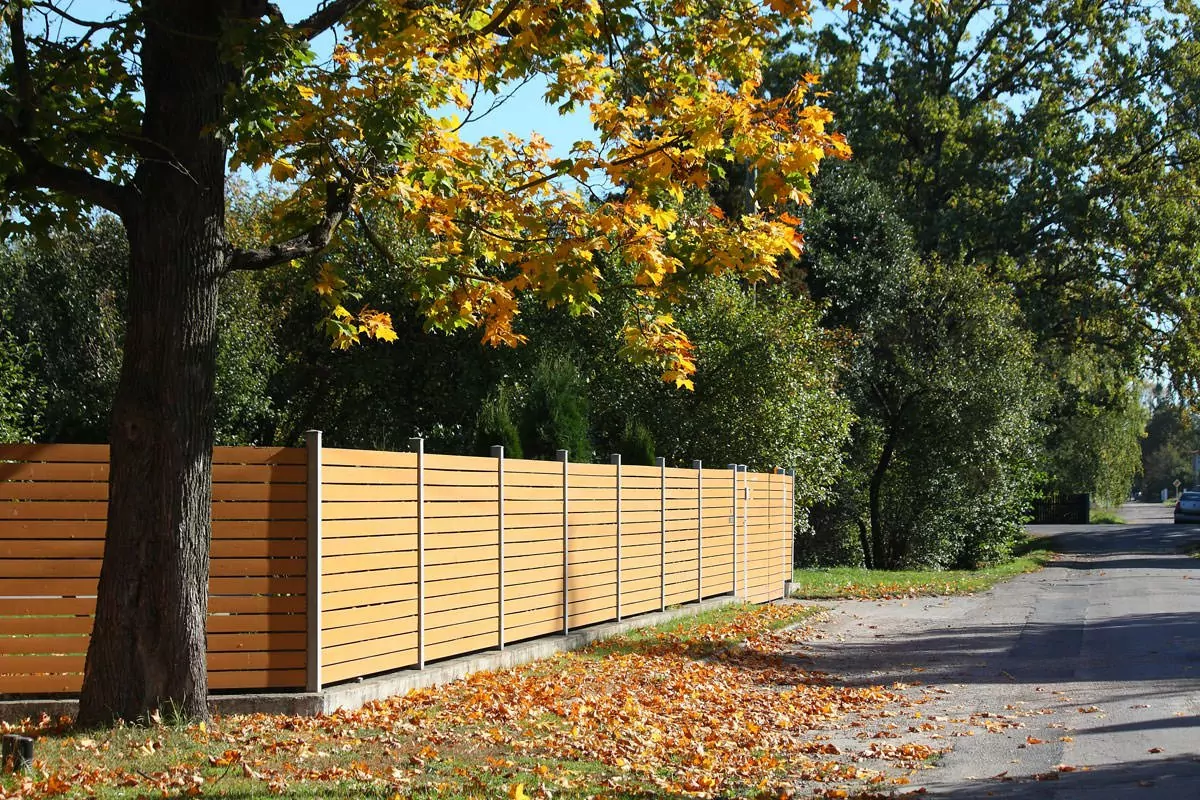
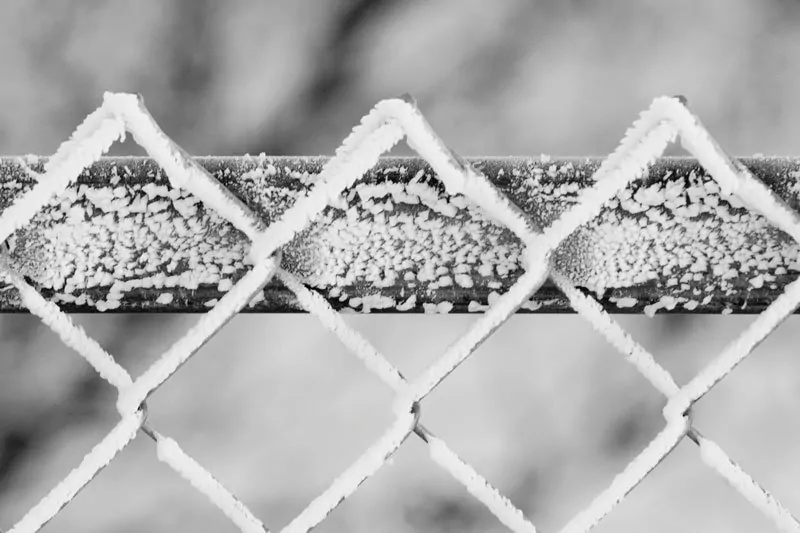
Not all fence materials behave the same way in Winter, which is why material selection matters. Weather-resistant materials such as cedar, vinyl, chain link, and coated metal fencing perform well in cold weather when installed correctly. Cedar is especially popular in the Pacific Northwest due to its natural resistance to moisture and decay.
Certain materials may require extra care during Winter handling, but experienced installers know how to store, cut, and install fence materials safely in cold weather without affecting performance.
Fence Stresses Caused by Freeze-Thaw Cycles
Freeze-thaw cycles are one of the most overlooked factors in fence longevity. As soil freezes and thaws, it expands and contracts, placing pressure on fence posts. Proper post depth, compaction, and installation technique prevent long-term movement.
Winter installation done correctly accounts for these cycles rather than ignoring them. Addressing these stresses early helps ensure your fence remains straight, secure, and functional long after Winter conditions pass.

Fence Repair vs. Fence Replacement in Winter
Winter is often the season when existing fence problems become obvious. Leaning posts, rotting boards, and unstable sections may worsen during storms or prolonged moisture exposure.
In some cases, targeted fence repair is enough. In others, Winter conditions reveal deeper structural issues that make full replacement the safer long-term option.
Replacing a fence during Winter prevents further deterioration and ensures your property is protected rather than vulnerable throughout the season.
Why Some Homeowners Wait Until Spring and Why You Might Not Need To
Many homeowners prefer to wait until Spring for outdoor projects. While that can be convenient, it also comes with drawbacks.
Spring is the peak season for fence installation. Contractors are booked out, materials may be backordered, and timelines can stretch. Waiting until Spring often means waiting longer than expected to start and finish your project.
Winter fence installation avoids the peak season rush and positions your property to be fully ready when warmer weather arrives.
Save Time by Installing a Fence During the Off-Season
Time is one of the biggest advantages of Winter fence installation. Scheduling is often more flexible, estimates happen sooner, and projects can move forward without competing with dozens of Spring requests. This efficiency saves time not just during installation, but throughout the planning process.
Being proactive in Winter allows you to enjoy your fence when Spring arrives instead of waiting for availability.
Is Winter Fence Installation Right for Your Property?
Winter fence installation isn’t ideal for every situation. Extremely frozen ground, prolonged heavy snow, or poor site access may justify waiting until Spring.
That said, many Portland-area properties are well-suited for Winter installation, especially when the project is planned thoughtfully and handled by experienced professionals.
A professional assessment helps determine whether Winter conditions are workable for your specific property.
Frequently Asked Questions About Winter Fence Replacement
Can a fence really be installed in Winter?
Yes. With proper techniques and equipment, Winter fence installation is safe and effective.
Does frozen ground prevent fence installation?
Frozen ground requires different methods, but it does not automatically prevent installation.
Will a Winter-installed fence last as long?
When installed correctly, Winter fences perform just as well long-term.
Should I wait until Spring to replace my fence?
It depends on your property and goals. A professional evaluation can help you decide.
Winter Fence Installation in Portland: Plan With Confidence
Fence installation doesn’t have to wait for warm weather. With proper planning, the right materials, and experienced crews, Winter fence installation is a reliable option that saves time and positions your property for success.
Pacific Fence & Wire Co. has served Portland and the Pacific Northwest since 1921. Whether you’re replacing a damaged fence or planning ahead to beat the Spring rush, our team offers free estimates and expert guidance to help you make the right decision.