Simple Steps to Keep It Safe and Looking Great Year-Round
A pool fence does two big jobs: it protects people (especially kids) and it defines your pool area so the space feels calm and welcoming. The good news? Maintaining your fence doesn’t have to be complicated. With a few simple pool fence maintenance habits, you can keep it in top condition, catch small issues early, and avoid costly fixes.
What Kind of Pool Fence Do You Have?
Different fences need slightly different fence care. A quick ID helps you know what to check.
Permanent safety fences (always-on barriers around the pool).
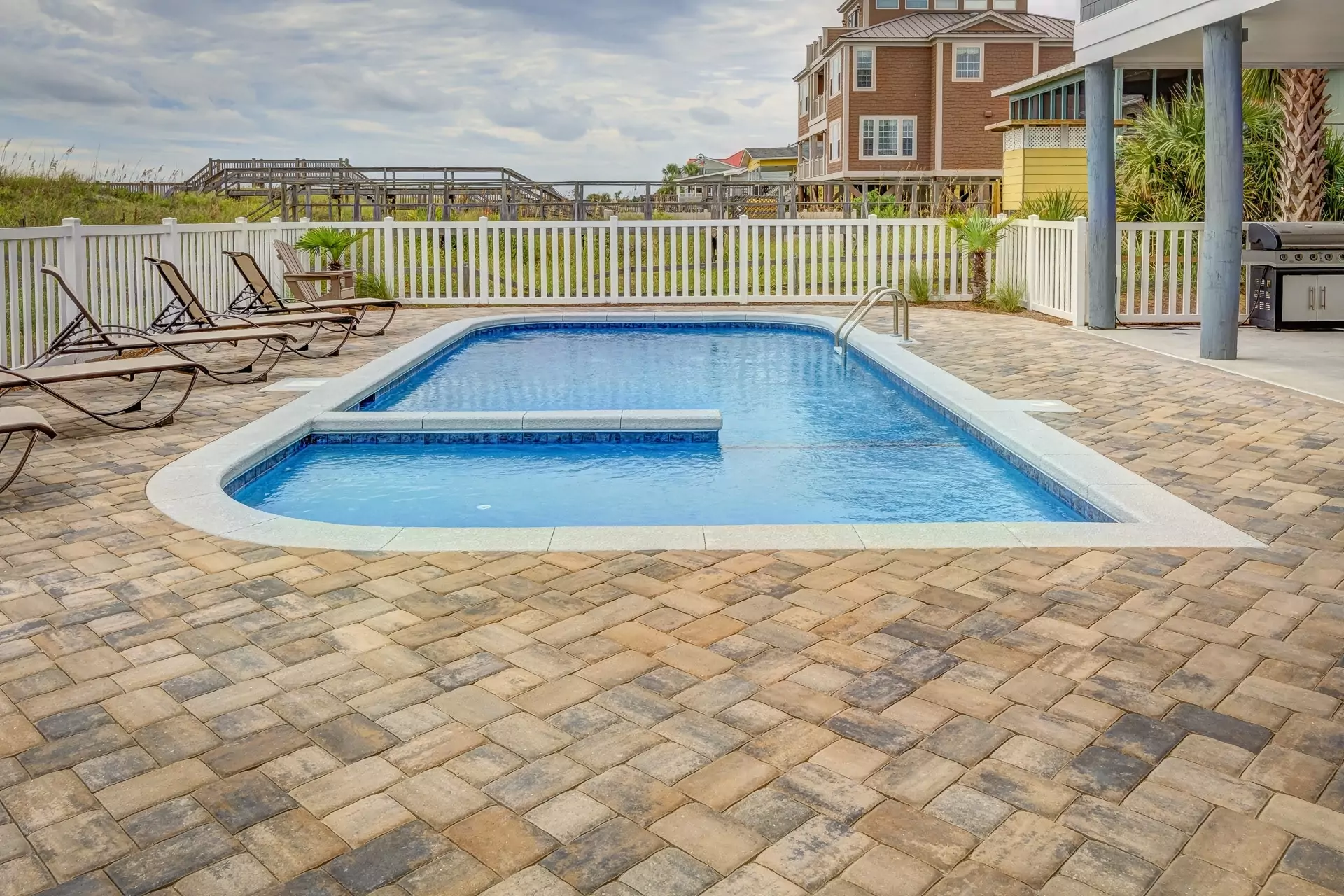
These fixed systems stay up 24/7 and are designed to self-close and self-latch. You’ll see options like ornamental aluminum/steel, vinyl picket, and chain link. For metal, watch for rust at brackets and keep gate hinges snug.
For vinyl, look for cracks or loose caps and snap panels back into rails. Chain link is durable and looks great with vinyl coating; replace bent ties or broken slats to keep everything tidy and secure. Whatever the style, the gate should pass the “let-go” test every time.
 Backyard perimeter fences (wood or vinyl).
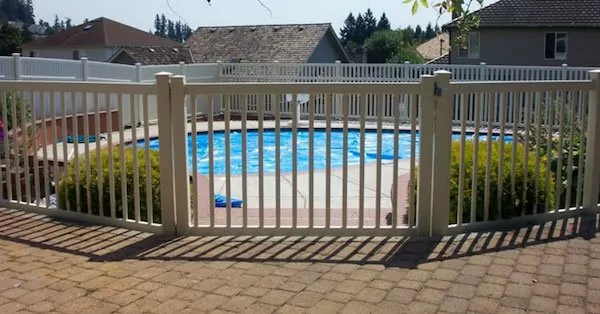
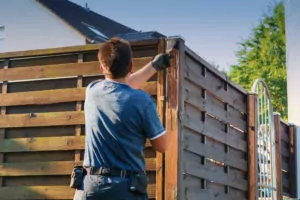
These give privacy and keep the pool area contained. For wood, check for loose boards, cracked rails, and rot near the ground. For vinyl, look for hairline cracks, popped panels, or missing caps. A quick wash with mild soap keeps finishes looking high quality.
Metal/ornamental or chain link for apartments and hotels.
These see heavier use. Watch for rust, bent pickets, loose ties, and bottom gaps where little feet could slip under. Add or replace privacy slats to freshen the look and reduce climb points. Check locks to make sure they are still functioning properly.
A Quick Safety Check You Can Do Today
Start with the gate. Open it and let go: it should self-close and self-latch from any position, without a nudge. If it drags or bounces open, tighten the gate hinges and realign the hinges and latch. Latches should be mounted high and out of reach of small children.
Next, walk the full fence line. Posts should be solid, panels straight, and there should be no openings a child could crawl through. If you spot wear and tear—a cracked vinyl rail, a rotten wood picket, a rusted bracket, or damaged mesh—mark it for a quick repair.
A few minutes now protects your fence’s integrity (you may even see it written as “fence’s integrity” on some checklists) and keeps everything in tip-top shape.
Easy Cleaning and Care of Your Pool Fence
- Rinse and wash: Pool splash and weather leave residue. Hose off dust and use mild soap with water for wood, vinyl, and metal. Skip harsh chemicals that can stain or dull finishes.
- Tighten and lube: Once a season, tighten visible screws and brackets. Add a drop of silicone spray to moving parts so the gate closes smoothly and the latch snaps shut.
- Swap small parts fast: Little replacement parts—caps, clips, latches, screws—are inexpensive. Replacing a $5 piece today can prevent a $500 repair later. If a mesh panel tears or a latch fails, don’t wait.
Special Notes for Apartment, HOA, and Hotel Pools
 Shared pools have more traffic, so plan a quick daily or weekly walk-through. Confirm the gate self-closes from any position, signage is intact, and hardware feels solid. Keep a small bin of replacement parts (screws, caps, latches) on hand and jot a simple check log. In busy pool areas, investing in high-quality self-closing hardware pays off—fewer callbacks and longer service life.
When to Repair vs. Replace Pool Fences
Choose repair when the problem is small and local: an out-of-alignment latch, a few cracked pickets, one span of damaged mesh, or a single rusted bracket. Choose replacement when issues repeat or spread: leaning posts, widespread rot or rust, or a gate that can’t be trusted to self-close and latch. If safety features aren’t reliable, upgrading to new panels, posts, or hardware is the safer, smarter long-term move.
Not sure which way to go? A quick visit from a pro can tell you if a tune-up will do—or if replacing a section now will save you money over the season.
A Simple Year-Round Checklist for Pool Fences
- Test the gate: self-close and self-latch from any position.
- Check the hinges and latch for wobble; tighten as needed.
- Look for wear and tear at the bottom of posts and under rails.
- Rinse off splash marks, dirt, and leaves.
- Walk the line after storms or big pool parties.
Keep this rhythm and your fence will last longer, look better, and do its main job—protecting people—without fuss.
FAQs: Pool Fence Care, Made Simple
How often should I check my pool fence?
Give it a quick look weekly during swim season and a fuller check every few months. The gate should always self-close and latch—no exceptions.
What if my gate won’t latch reliably?
Clean the latch, tighten the gate hinges, and adjust the striker so it lines up. If it still misses, replace the latch. Reliable latching is non-negotiable for safety.
Can I fix damaged mesh myself?
Yes—pause use of that section, then order brand-approved replacement parts (panel, post, or sleeve). Swapping panels is straightforward; call a pro if the posts are loose.
Is pressure washing okay?
Use low pressure only. High pressure can gouge wood, force water into vinyl, or lift the finish on metal. Gentle soap-and-water wins for long-term fence care.
When should I replace instead of repair?
If the fence leans, metal shows deep rust, or the gate fails the “let-go” test, the fence’s integrity is compromised. Replacement is the safer, cheaper long-term choice.
Need Repairs or a New Pool Fence? We’re Ready to Help.
From quick fixes and replacement parts to full fence replacements around your pool, Pacific Fence & Wire Co. can keep your barrier safe and looking great. Our crews build and repair with high quality materials and hardware so your fence stays in top condition—season after season. Get a free estimate today, and let’s make your pool fence safe, strong, and ready for everyday life.