How to Choose the Right Posts for Your Fence
(Updated Jan 2026) When homeowners think about building a fence, the panels usually get the most attention. But the real strength of any fence comes from the posts. No matter the fence post type, they are the backbone of your fence, providing structure, stability, and long-term durability.
Choosing the right fence post types matters just as much as choosing the fence material itself. The right posts help your fence stay straight, secure, and standing strong through Portland’s wet winters and seasonal weather changes. This guide explains the different types of fence posts, common materials, and how to choose the best option for your home.
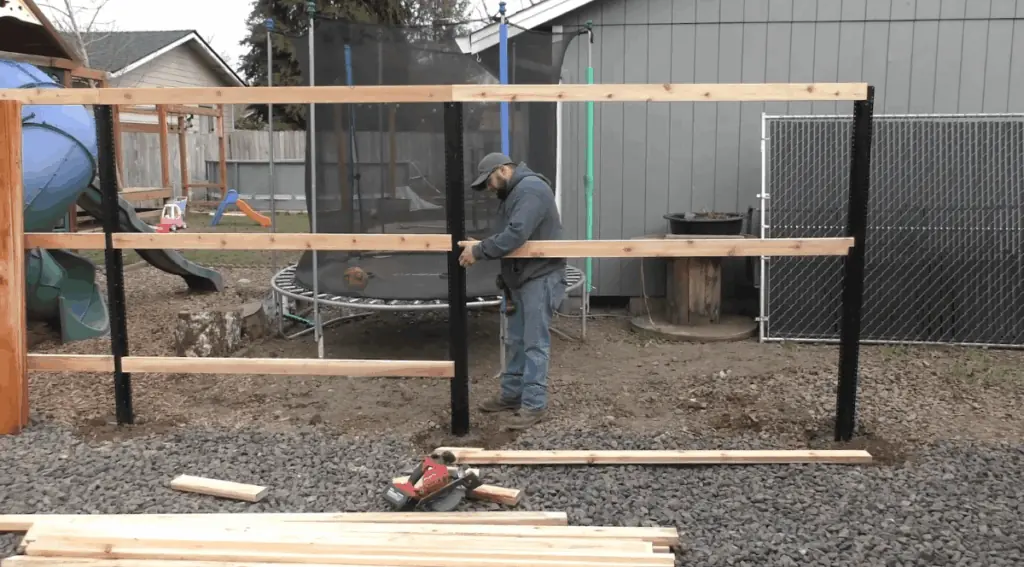
Main Types of Fence Posts by Function
Different fence layouts require different types of posts. Each one serves a specific purpose in keeping your fence secure and properly aligned.
Line Posts
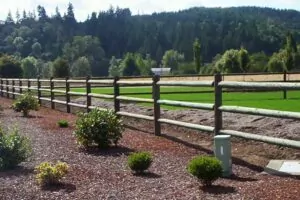
Line posts are the most common fence posts. They support straight sections of fencing between corners and ends. These posts typically have attachment points on two sides and are spaced evenly along the fence line.
Line posts keep the fence panels aligned and evenly supported. Slight angles are possible, but sharper turns usually require a corner post.
End Posts
End posts are used where a fence run stops. They support the final panel and handle tension from only one direction. End posts often appear at the end of a property line or where a fence meets a structure.
Because they take more stress than line posts, end posts are often installed deeper or thicker for added strength.
Corner Posts
Corner posts connect fence sections at 90-degree angles. These posts anchor the fence where direction changes and handle tension from two sides.
Corner posts play a major role in keeping fences square and stable, especially on uneven or sloped terrain.
Blank Posts
Blank posts do not have predrilled holes or brackets. They are often used for custom applications, including gates, transitions between fence styles, or on-site adjustments.
These posts offer flexibility and are commonly used when a fence design doesn’t follow a standard layout.
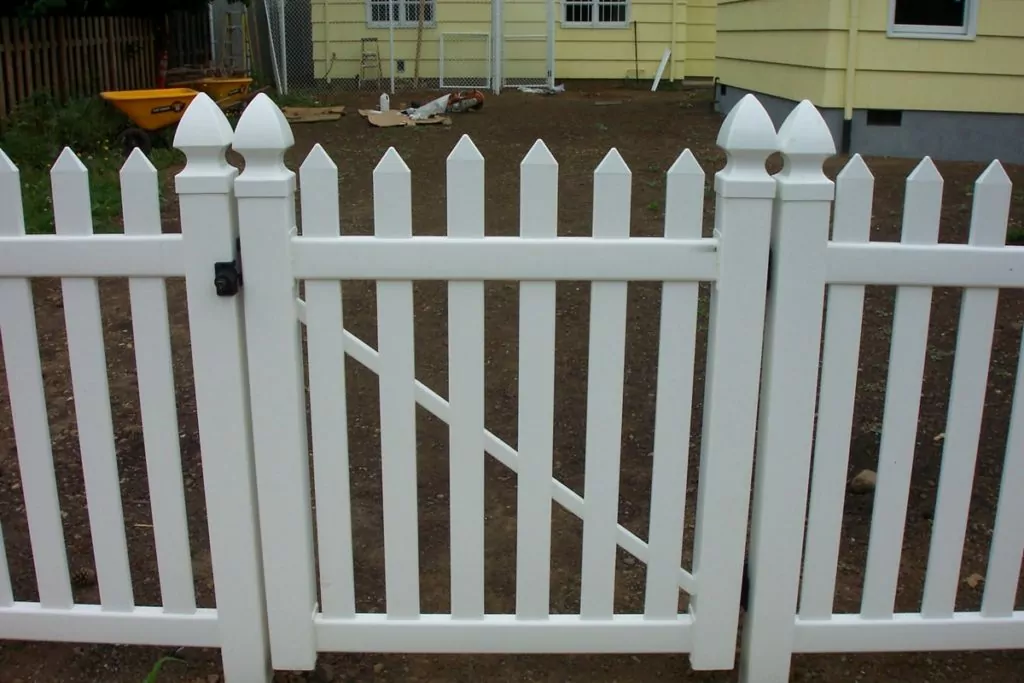
Fence Posts Used for Gates
Gates place extra stress on fence systems, which is why gate posts require special consideration.
Gate Posts
Gate posts support the entire weight of a gate and handle constant movement. They are typically larger, stronger, and set deeper than standard fence posts. Even small gates benefit from reinforced posts to prevent sagging over time.
Hinge Posts
Hinge posts are the posts where the gate swings open and closed. These posts must support both the gate’s weight and repeated motion, making strength and proper installation critical.
Latch Posts
Latch posts secure the gate when closed. While they don’t carry as much weight as hinge posts, they still need to be stable and aligned to ensure smooth operation.
Fence Post Materials: Pros and Cons
Fence posts are available in several materials, each with its own benefits and drawbacks. Choosing the right one depends on fence type, maintenance expectations, and budget.
Wood Fence Posts
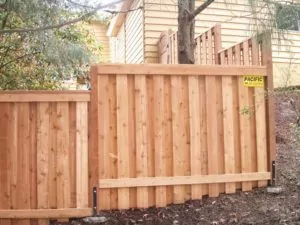
Wood posts are a traditional choice for privacy and decorative fences. Cedar is commonly used in the Pacific Northwest due to its natural resistance to rot and insects.
Pros:
- Natural appearance
- Works well with wood fencing
- Readily available
Cons:
- Requires maintenance
- Can rot over time if not properly treated
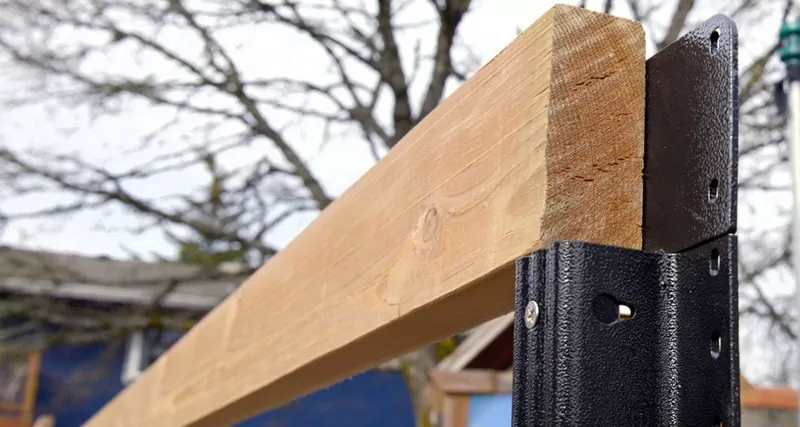
Metal Fence Posts
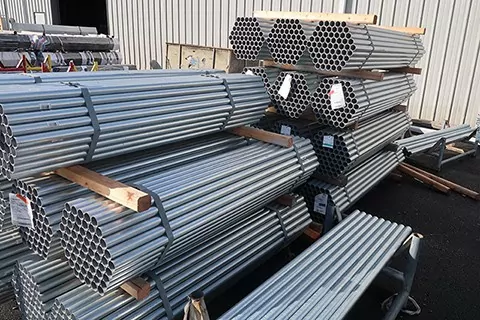
Metal posts, often made from galvanized steel, are commonly used for chain link fences and gates.
Pros:
- Very strong and durable
- Resistant to moisture damage
- Ideal for gates and long fence runs
Cons:
- Less decorative
- Can cost more upfront
Vinyl Fence Posts
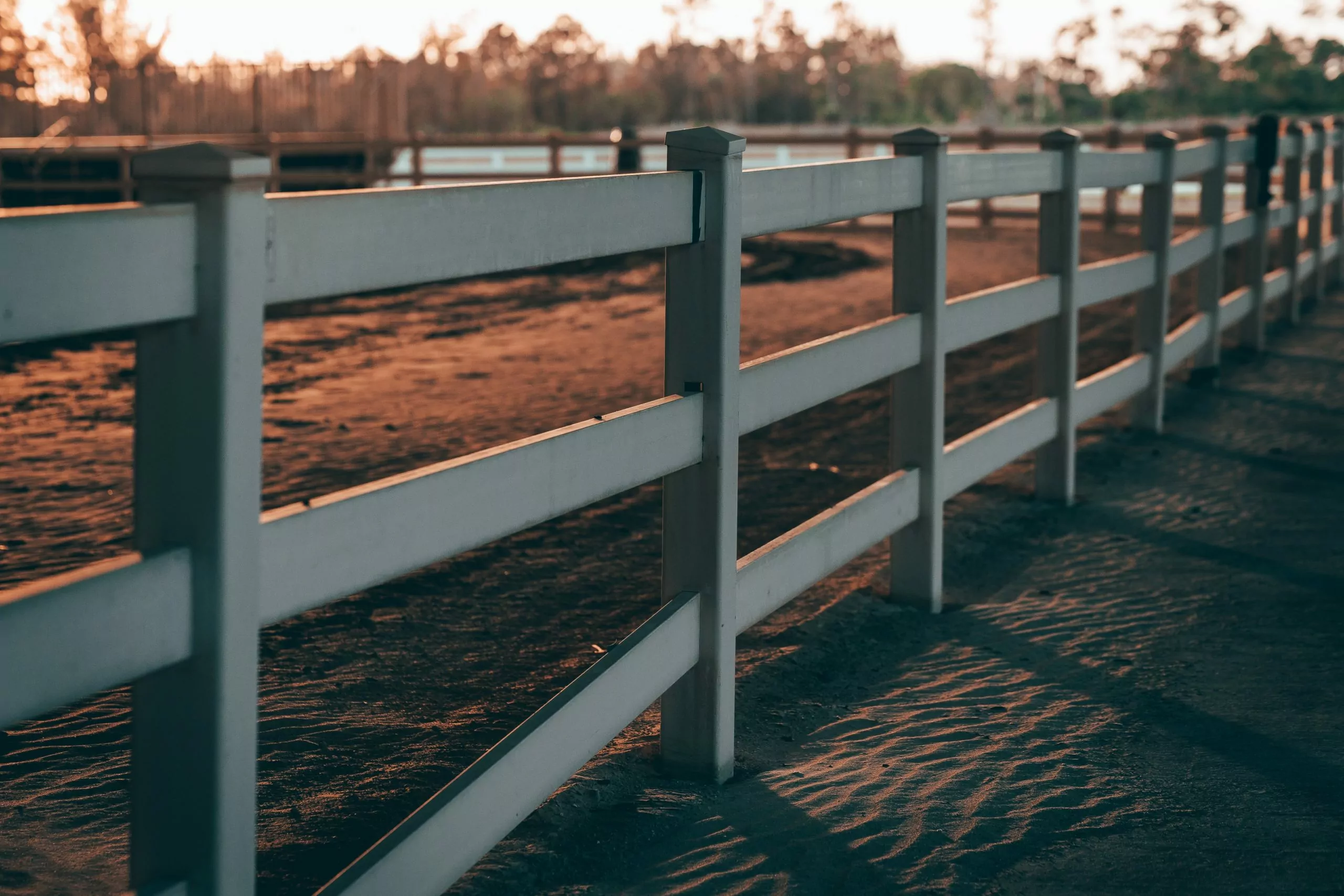
Vinyl posts are designed to match vinyl fencing systems. They often slide over an internal support for added strength.
Pros:
- Low maintenance
- Resistant to rot, moisture, and insects
- Clean, consistent appearance
Cons:
- Must be properly reinforced
- Limited flexibility for custom designs
How to Choose the Right Fence Post for Your Fence
Choosing the right fence post starts with understanding how your fence will be used.
Consider:
- Fence height and weight
- Whether the fence includes gates
- Soil conditions and drainage
- Maintenance preferences
- Desired lifespan
For example, a wood privacy fence may pair well with a Lifetime Steel Post while chain link wire mesh usually used galvanozed pipe posts. Gates almost always require stronger, deeper-set posts than standard fence sections. Professional installers evaluate all of these factors to ensure posts are matched correctly to the fencing project design.
Frequently Asked Questions About Fence Posts
How deep should fence posts be set?
Most fence posts are set at least one-third of their height into the ground, though gates and corners often require deeper installation.
Do gate posts need to be bigger than other posts?
Yes. Gate posts typically need to be stronger and deeper to support weight and movement.
Which fence posts last the longest?
Metal and vinyl posts tend to last the longest with minimal maintenance, while wood posts can also last decades when properly installed and maintained.
Can I mix fence post materials?
Yes. Many fences use metal posts for gates and corners with wood or vinyl posts elsewhere.
Build Your Fence the Right Way From the Ground Up
Fence posts may not be the most visible part of a fence, but they are the most important. Choosing the right posts helps your fence stay secure, straight, and dependable for years to come.
Pacific Fence & Wire Co. has been building residential, commercial, and industrial fences in Portland and the Pacific Northwest since 1921. Whether you’re planning a new fence or replacing an old one, our team can help you choose the right fence posts—or handle the entire installation for you.
Contact Pacific Fence & Wire today for a free estimate and build your fence on a foundation you can trust.