Investing in a new fence is one of the best ways to upgrade your home. A proper perimeter setup offers immediate privacy, protects your kids/pets, and secures your property lines. It also adds a clean frame to your landscape that boosts your home’s overall curb appeal.
However, before you launch into a major outdoor upgrade, you need a clear picture of the financial side. Calculating the true fence installation cost in Portland involves balancing multiple factors. These include your choice of lumber or metal, your yard’s unique terrain, and local municipal guidelines. This guide breaks down the primary expenses you will encounter so you can plan a successful project.
Estimated Fence Installation Cost in Portland by Material
The material choice for your fence is the largest single driver of your total project invoice. Different materials require unique manufacturing processes and different levels of labor to install properly.
Below are the typical price ranges per linear foot for standard residential installations in the local region:
| Fence Material Type | Estimated Cost Per Linear Foot |
|---|---|
| Wood Fence (Cedar) | $18 to $40 |
| Chain Link (Galvanized or Vinyl Coated) | $10 to $25 |
| Premium Vinyl Fencing | $20 to $45 |
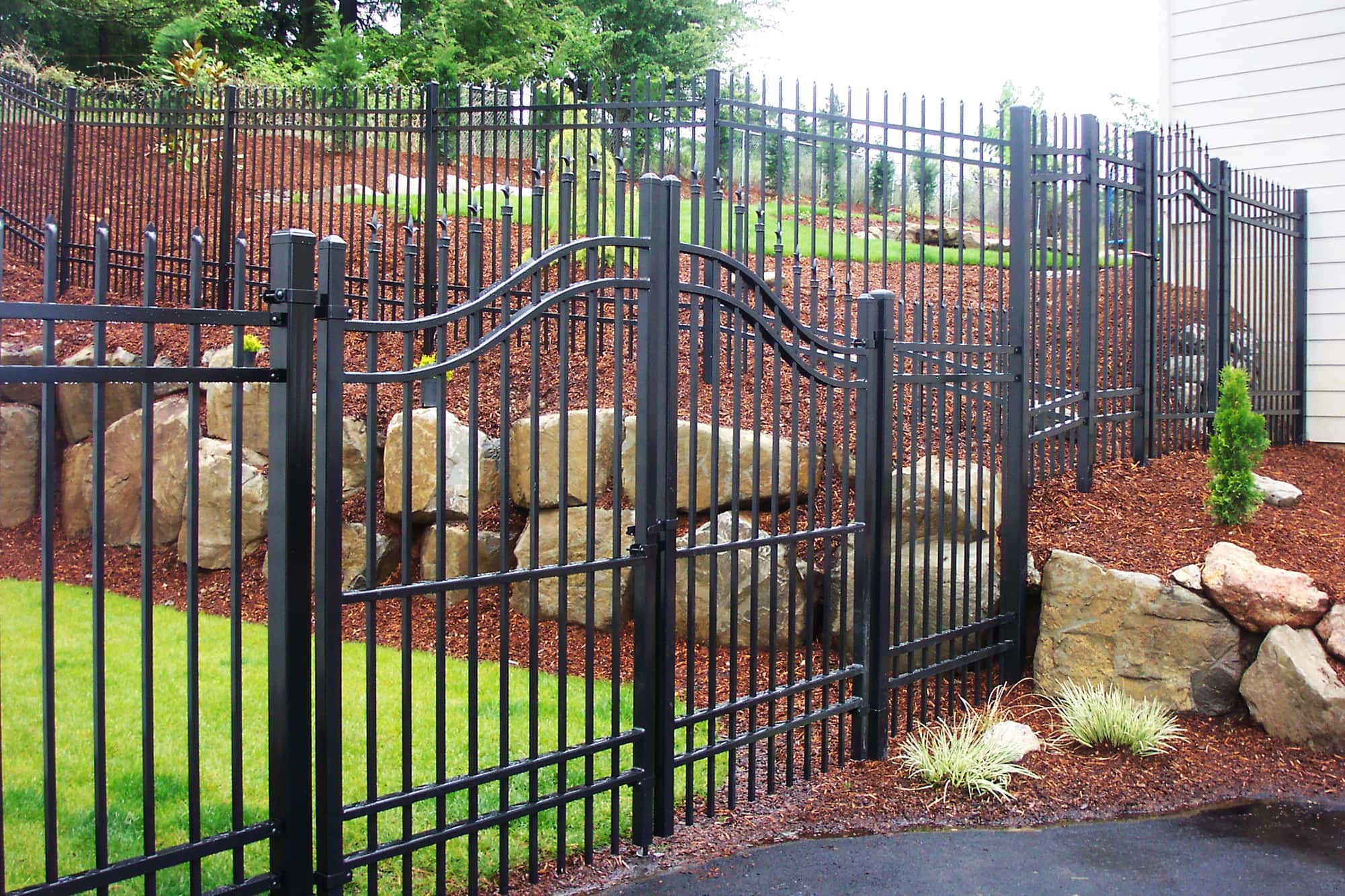
| Ornamental Iron | $30 to $65 |
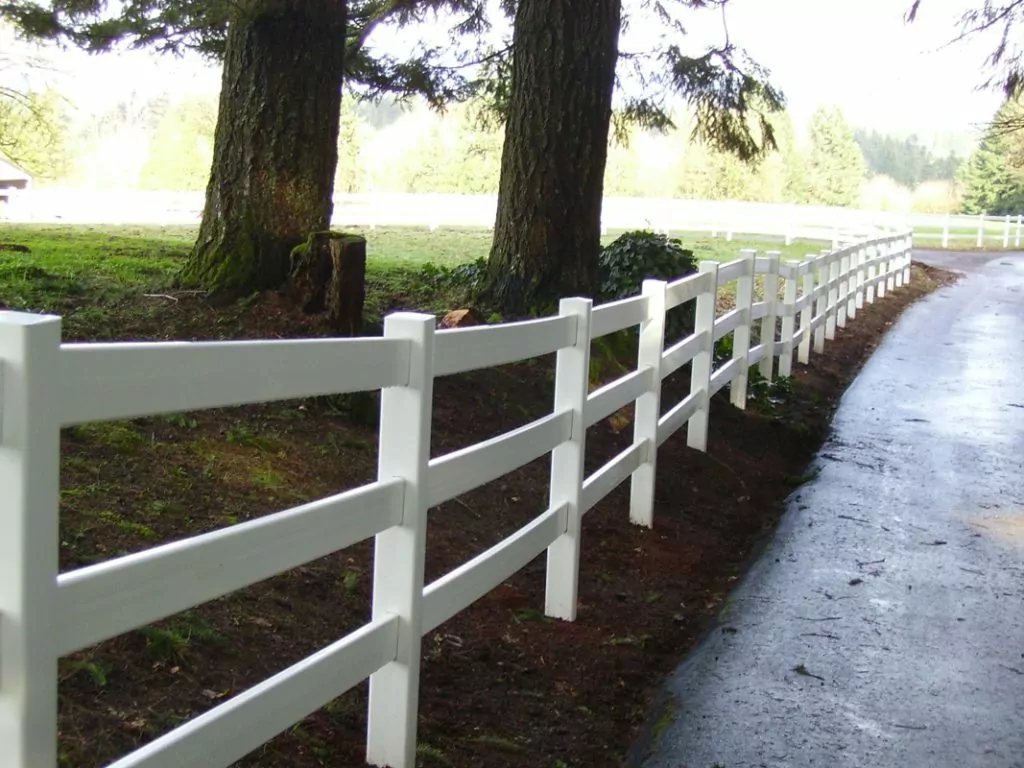
Depending on material selection, a standard 150-linear-foot backyard perimeter can vary significantly in price. While budget friendly options keep initial expenses low, premium options often provide better value over the long term because they require less maintenance.
Key Factors That Affect Fence Installation Cost in Portland
The physical layout of your property plays a massive role in your final price. Two homes using the exact same footage and material can have completely different installation costs based on site conditions.
Grading and Slopes
If your yard sits on a hillside or has an uneven grade, the installation requires extra labor. Crews must either stair-step the panels or custom-cut the bottoms to follow the ground contour. This extra construction time increases your overall setup costs.
Local Soil Conditions
The ground beneath your feet matters. The pacific northwest features heavy clay and rocky soil zones that make manual digging difficult. If your property sits on a rocky ridge or contains thick tree roots, clearing the post holes requires specialized power equipment, which adds to the labor charge.
Old Structure Removal
If you have an old, rotting boundary that needs to be torn down and hauled away, you must factor in disposal fees. Professional removal ensures the old posts are extracted completely so the new supports can go into the exact same line.
Understanding Portland Permit Requirements and Rules
Navigating local zoning codes is a crucial step in your planning process. Building a boundary without checking the rules can lead to expensive fines or a forced teardown.
In the city of Portland, you generally do not need a building permit if your fence is 7 feet tall or shorter. However, strict setback rules apply to front yards. In most residential zones, a fence located in a front yard setback cannot exceed 3 to 4 feet in height. This rule ensures drivers have clear sightlines when pulling out of driveways.
If your property sits on a corner lot, or if you live in a designated historic district, special design rules may apply. Checking with the local planning bureau before ordering your materials prevents costly project delays.
Repair vs. Replace: How to Decide
Homeowners often wonder if they can save money by simply fixing a few broken sections. While fixing small issues makes sense for recent builds, older structures eventually reach a point where full replacement is the smarter financial choice.
Consider a complete replacement if you notice these signs:
- More than one-fourth of the pickets or panels are rotted or split.
- Multiple structural posts are leaning or broken off at the ground level.
- The original wood fence has suffered extensive insect damage.
- The cost of patching the old structure is more than half the price of a brand-new line.
Choosing a complete replacement gives you a fresh structural warranty and ensures your entire perimeter remains uniform and stable for decades.

How to Get an Accurate Estimate from Fencing Contractors
To avoid surprises on your final bill, you should follow a clear path when collecting quotes from local professionals.
First, always request an on-site visit. A reputable contractor will never give you a firm, binding quote over the phone without looking at your property’s access points, slopes, and soil conditions.
Second, make sure the bid clearly separates the cost of materials, labor, permits, and old structure removal. This transparency allows you to compare different offers fairly. Finally, make sure the team coordinates with local utility locators to mark underground power and water lines before any digging begins.
DIY vs. Professional Fence Installation Cost in Portland
Tackling a fence project on your own is an appealing way to lower your upfront installation costs. By choosing the do-it-yourself path, you eliminate professional labor fees completely. However, a weekend boundary build can quickly turn into a multi-week challenge if you are unprepared for the physical demands and technical requirements of the job.
Before buying your raw supplies, consider these common hurdles:
- The Physical Demand: Digging support holes at least two feet deep into local soil conditions is exhausting work. The region’s heavy clay and hidden tree roots often require renting a gas-powered auger just to break through the ground.
- Structural Mistakes: Setting posts requires exact alignment and proper drainage. If you fail to slope the concrete base away from a wood fence post, water will trap against the lumber and accelerate rot. Additionally, shallow posts can easily heave during wet winter months or collapse during sudden windstorms.
- Layout Blunders: Building a perimeter without a precise property survey can lead to major boundary disputes. If a line accidentally crosses a neighbor’s property or violates a city setback rule, you may be forced to tear the entire structure down at your own expense.
While the DIY approach saves money initially, hiring an expert crew brings specialized tools, navigates local permit rules, and ensures your boundary stands straight for the long term.
Fence Installation Cost in Portland FAQs
How do local winter weather patterns affect a wood fence over the long term?
The continuous rain and damp winter conditions in the pacific northwest can accelerate wood rot if the posts are not set correctly. Using rot-resistant cedar and ensuring your posts are set in sloped concrete bases helps shed water away from the lumber, protecting your investment.
Does wet or rocky soil change the installation price?
Yes. Heavy clay or rocky terrain increases the time it takes to dig stable post holes. If a crew hits solid rock or massive roots, they must use specialized power augers or jackhammers, which increases the total labor cost.
Do I need my neighbor’s permission to build a boundary fence in Oregon?
Under Oregon law, neighbors share the responsibility for boundary structures built directly on the property line. However, it is always best to discuss your plans ahead of time, share the official survey markings, and establish a mutual agreement before construction starts.
What is the most cost-effective option for privacy in the Portland metro area?
Western red cedar remains the most popular choice for privacy. It balances initial affordability with natural resistance to decay, making it a highly reliable option for local backyards.
How deep should support posts be set to survive local wind storms?
For a standard 6-foot-tall panel, structural posts should be set at least 2 feet deep into solid concrete. This depth protects the structure against high wind loads and prevents shifting during wet winter months.
Can I buy commercial-grade fencing supplies directly if I choose to build the fence myself?
Yes. Choosing to build a boundary yourself does not mean you are limited to the basic options found at big-box retail stores. Many property owners buy their commercial-grade wood, heavy-duty vinyl rails, or chain link mesh directly from local fence suppliers to ensure a high-quality build that lasts much longer.
Collaborate on Your Next Project
Planning a successful layout involves choosing the right materials and partnering with a team you can trust. If you are ready to explore your options, the experienced team at Pacific Fence & Wire Co. is here to help.
Serving Portland and the surrounding region since 1921, this family-owned business brings more a century of proven craftsmanship to every project. They offer a dependable one-year warranty on materials and installation in full compliance with Oregon law.
Rather than dealing with high-pressure sales pitches, you can enjoy a transparent, collaborative process designed to find the perfect fit for your yard. To explore styles and find inspiration for your home, check out their extensive catalog of fence materials. Reach out now to start estimating the cost of your new fence!