A strong fence keeps your home safe and beautiful all year long. However, Portland weather can take a heavy toll on outdoor wood and metal. High winds and heavy rain cause steady wear on every boundary line. When damage happens, you must decide whether to patch the issues or replace the structure completely.
Making the right choice saves you time and protects your budget. Minor wear often requires a simple afternoon fix that you can do yourself. Extensive structural issues mean it is time to clear the line and start over. Understanding the condition of your posts helps you make the best choice for your property. For DIY projects, it is important to know if you should repair or replace a fence.
Signs Your Fence Needs Repair Only
Many fence issues look terrible at first glance but are actually easy to fix. If your boundary line is straight and strong, you likely only need basic maintenance. Loose trim pieces or a few missing nails do not require a major project. You can easily swap out bad hardware or add fresh brackets to restore stability.
Minor surface wear is another issue that does not justify a full tear-out. Moss, mold, and peeling stains happen naturally in our damp climate. A thorough pressure washing and a fresh coat of sealant can make a weathered structure look brand new. These cosmetic updates are perfect weekend projects for handy homeowners.
Isolated damage to a single area can usually be fixed with a quick patch. If a falling branch cracks one top rail, you can replace that specific piece. As long as the surrounding posts remain straight and secure in the ground, the overall structure is perfectly safe. These small fixes keep your costs low and extend the life of your boundary.
Signs It Is Time for a Full Replacement
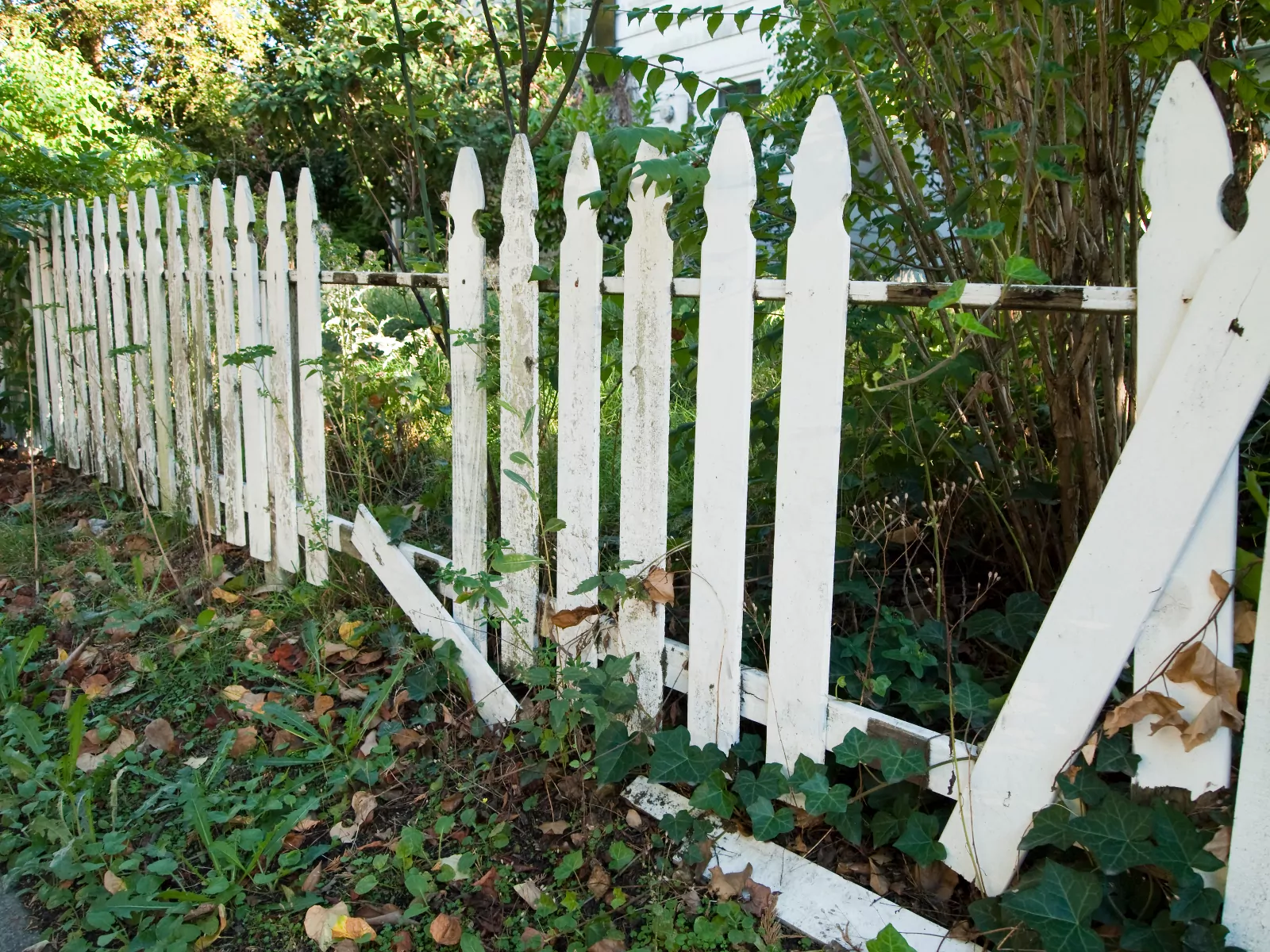
Structural failure is the most obvious sign that your boundary line has reached its end. If multiple sections are leaning heavily, the underground supports have likely rotted or broken. Pushing on a post should not cause the line to wobble. When the foundation fails, a simple patch will not keep the structure upright during high winds.
Widespread physical decay across the entire line also means it is time for a new installation. When wood softens or vinyl cracks in multiple spots, the material has lost its strength. Patching one section will only delay the inevitable as the rest continues to fail. Investing in a new build prevents constant headaches and protects your security.
You should also look at the overall cost of ongoing upkeep. If you spend every weekend fixing broken pieces, you are wasting valuable time and money. Older structures eventually cost more to maintain than the price of a modern build. Starting fresh gives you a reliable boundary that keeps your yard secure for many years.
Cost Comparison: Repair vs. Replace by Material
Wood and Cedar Fences
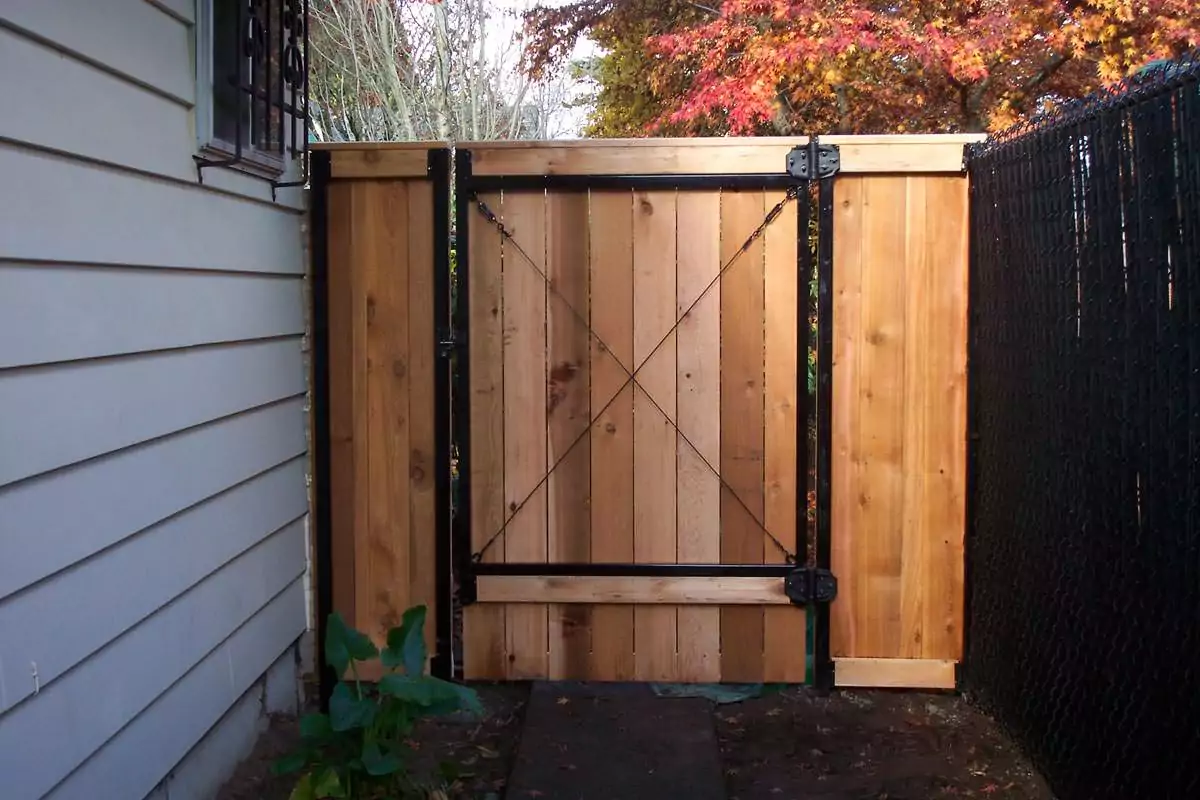
Wood requires consistent upkeep in our wet climate. Replacing a few loose cedar slats or a gate latch is very inexpensive and simple to do. However, if the main posts rot at the ground level, a full replacement is the best choice. New cedar and lifetime steel posts provide excellent structural strength and beautiful curb appeal that lasts for years.
Chain Link Fences
Chain link is incredibly durable but can suffer damage from falling trees or heavy impacts. If a small section of the mesh gets bent, you can splice in a new piece of wire. When the top rails or main posts bend over a long distance, the tension is ruined. Replacing the line is often faster and more secure than trying to fix old steel posts.
Vinyl Fences
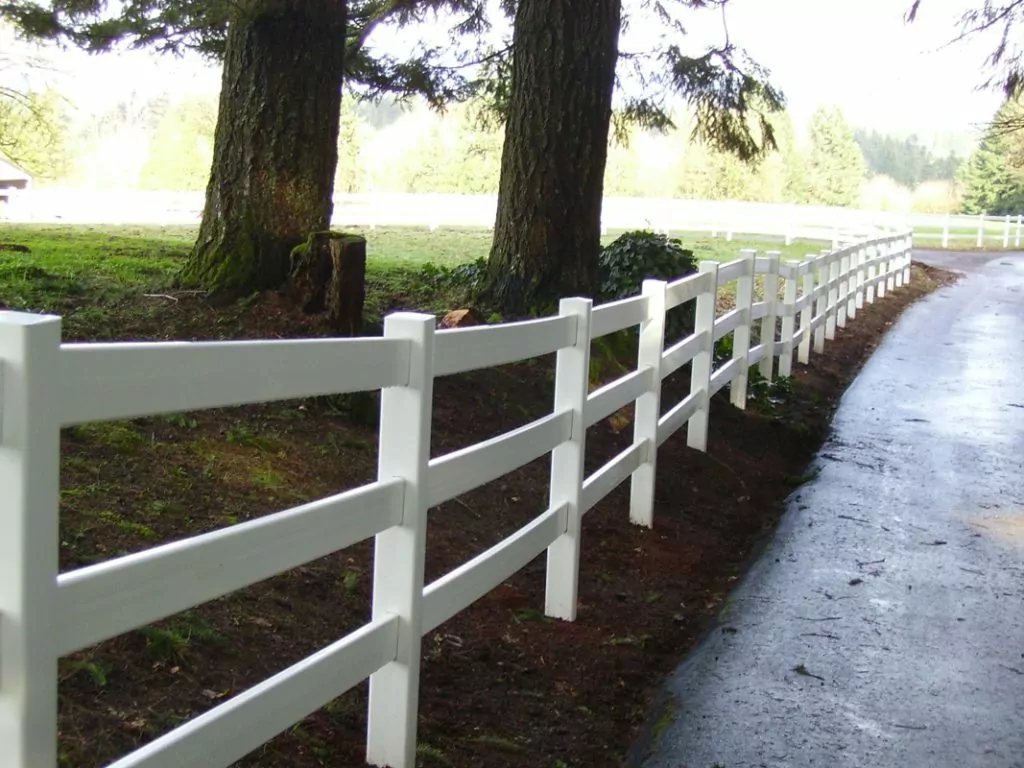
Vinyl is highly resistant to moisture but can become brittle during freezing weather. If a single panel cracks from an impact, you can easily slide a new piece into place. Widespread cracking or sun fading across multiple sections means the material has broken down. In these cases, full replacement ensures you get a clean look and reliable performance.
How Storm Damage Affects the Decision
Pacific Northwest storms can cause sudden and severe damage to outdoor property lines. High wind gusts can rip panels away or push unstable posts out of the ground. When a storm hits, you must check the main support system first. If the wind only pulled a few boards loose, a quick DIY fix will solve the problem.
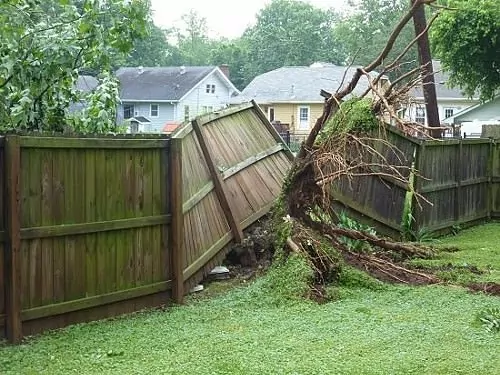
Heavy tree branches often cause severe damage that alters your recovery plans. A falling limb can crush multiple sections and bend the underlying steel or wood frames. If the impact bends the structural skeleton, a patch job will look uneven and lack proper strength. Ripping out the ruined sections and starting fresh guarantees a safe boundary.
Insurance Claims for Fence Damage in Oregon
Homeowners’ insurance policies in Oregon often cover boundary damage caused by storms or sudden accidents. If a neighbor’s tree falls on your line during a storm, your policy typically helps cover the costs. You should document the structural issues immediately with clear photos before moving any debris. Contact your agent quickly to verify your coverage limits.
You must compare your deductible against the total cost of the work before filing a claim. If the damage only requires a few basic boards, the cost will be under your deductible. Filing a claim for a minor issue can cause your insurance rates to go up. If the entire line is ruined, using your policy for a full replacement makes excellent financial sense.
When to Call a Professional vs. DIY
Homeowners can easily handle minor cosmetic updates and simple board swaps as DIY tasks. Replacing a broken latch or painting a weathered section requires basic tools and minimal time. These small projects keep your home looking sharp without the cost of a contractor. Taking care of small issues early stops them from turning into major structural failures.
You should call a professional team when the project involves deep structural work or a full replacement. Setting new posts in concrete and aligning long boundaries requires specialized machinery and expert knowledge. Large projects are too heavy and complex for a weekend DIY approach. Hiring a certified team ensures your new build complies with local building codes.
Frequently Asked Questions About Fence Decisions
Does home insurance cover a fence that falls over from old age?
No, insurance policies only cover sudden, accidental damage from events like storms or impacts. General wear, rotting wood, and old age are normal maintenance tasks for homeowners. You must cover the cost of replacing an old, weathered structure yourself.
How soon should I check my fence for damage after a major storm?
You should check your boundary lines immediately after high winds or heavy rainstorms pass. Inspecting your posts right away helps you catch leaning issues before the panels collapse completely. Early checks allow you to plan for quick DIY fixes or a professional build.
Can a quick patch job fix a boundary line that is leaning heavily?
No, a patch job will not fix a line that leans due to broken underground supports. Leaning means the concrete bases or the posts themselves have rotted or snapped below the soil. You must clear the line and replace the structural foundation to make it safe.
How long does a typical cedar fence last in the Portland climate?
A high-quality cedar structure usually lasts between fifteen and twenty years with proper maintenance and staining. Our damp climate can speed up rot if the wood touches wet soil constantly. Using treated posts or steel supports helps your boundary last much longer.
Is it possible to replace just the posts and keep my old panels?
You can sometimes reuse old panels if the wood is strong and free from dry rot. However, removing old panels often damages the weathered wood fasteners beyond repair. Installing fresh panels along with your new posts ensures a uniform look and superior durability.
What is the most durable fencing material for rainy Oregon weather?
Vinyl and steel chain link are the most durable options because they resist moisture damage completely. Vinyl will never rot, rust, or need painting, making it highly low-maintenance. High-quality cedar is also excellent but requires regular staining to protect against damp weather.
Do I need a permit to replace a fence in the Portland area?
Permit rules depend on the height and location of your boundary line. Most standard residential fences under six feet tall do not require a formal building permit. It is always wise to check local city codes before starting a full installation project.
Schedule Your New Installation with Pacific Fence and Wire Today
You do not have to live with a leaning, broken, or weathered boundary line that ruins your home security. If your structure has widespread decay or heavy storm damage, starting fresh is the most reliable path forward. Our experienced team provides the expert craftsmanship and heavy-duty materials you need for a beautiful build.
We offer competitive bids, fast turnaround times, and a full one-year warranty on materials and installation. Contact Pacific Fence and Wire today to get your free estimate and start your property transformation.