(Updated Feb 2026) Choosing the best fence is about more than picking a style you like. A fence affects how your property looks, how it works, and how it holds up over time. Whether you are fencing a backyard, securing a business, or defining a property line, the best fencing solution is the one that fits your needs today and still makes sense years from now.
With so many fence types, materials, and designs available, it helps to slow down and think through a few key factors before installing a fence.
What Should I Know Before Choosing a Fence?
Before looking at styles or fencing materials, start with the reason you want a fence in the first place. Some homeowners want privacy. Others want security, pet containment, or something that enhances curb appeal without closing off their yard.
Your priorities will guide nearly every decision that follows. A fence built for privacy will look very different from one designed mainly for visibility or security. Thinking about how you plan to use the space helps narrow down the types of fences that will work best for your property.
How Do I Choose the Right Fence For My Needs?
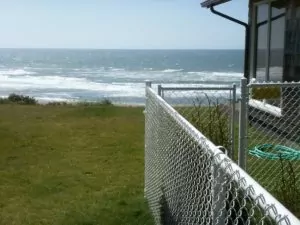
Different fence types serve different purposes, and no single option is right for everyone. If security is a top concern, metal fencing such as chain link fence systems, woven wire, or wrought iron fences may be the best fit. These options are durable, long-lasting, and effective at creating a clear boundary.
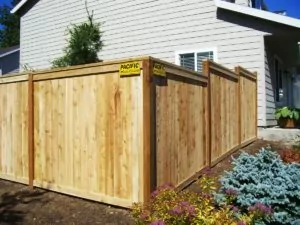
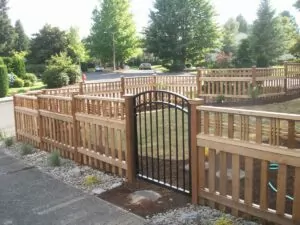
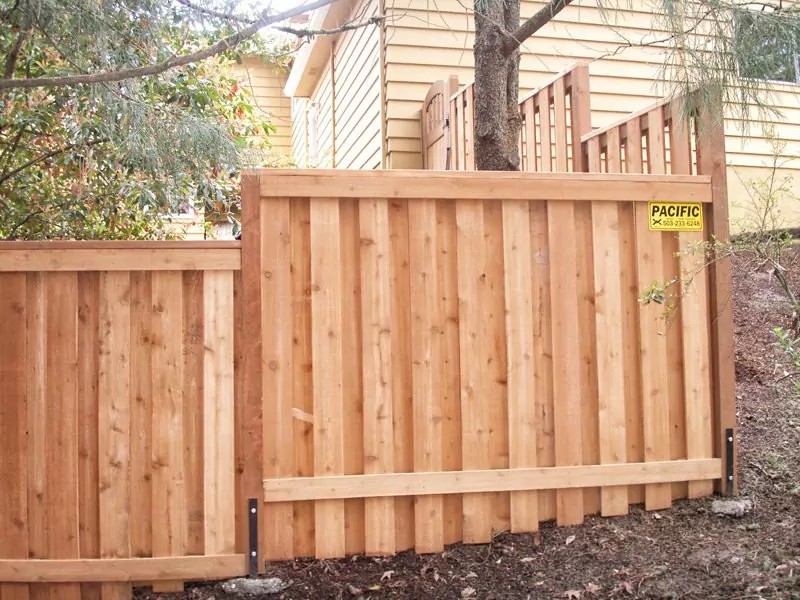
If privacy matters most, wood or vinyl fencing is often the preferred choice. A solid wood fence or vinyl fence creates separation from neighbors and can also reduce noise. For homeowners who want something more decorative, a picket fence or a sleek modern wrought iron design can define a space without fully blocking the view.
The key is choosing a fence that matches how you actually live and use your property.
What Factors Matter Most When Choosing a Fence?
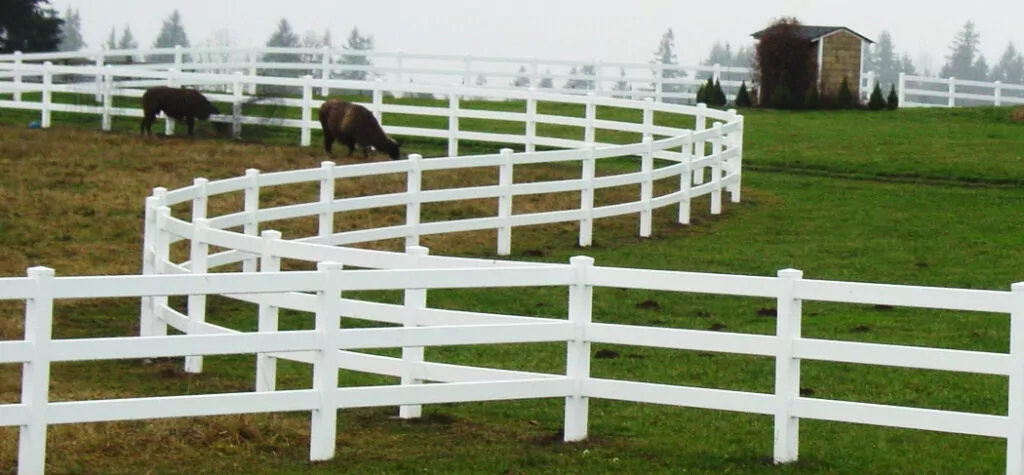
One of the biggest factors is maintenance. Treated wood fences offer a classic look, but you need to stain or seal the boards to keep them in good condition. Vinyl fence options are low-maintenance and budget-friendly over the long term, though repairs can be more complicated if damage occurs.
Budget, of course, is another important consideration. The cost of installing a fence depends on materials, labor, and the size of the area being enclosed. While some fencing materials cost more upfront, they may be more affordable over the long term because they require less upkeep or last longer. Buying the materials and building your own fence can save money, too.
Local rules also matter. Many cities and homeowner associations have regulations on fence height, placement, and materials. Checking local requirements before starting helps avoid starting over later.
How Do I Choose a Fence for Privacy?
If privacy is your main goal, focus on height, spacing, and material. Solid panel fences made from treated wood or vinyl are common choices for backyard privacy.
Vinyl fences, made from high-quality PVC, are an eco-friendly option that combines the look of wood with added durability. These fences resist rot and insects while maintaining a natural appearance.
For front yards, privacy rules are often stricter. In these cases, a lower fence or partial privacy design may be required, which still offers a sense of boundary without blocking visibility.
How Can I Match a Fence to My Home?
A fence should complement your home, not compete with it. Traditional homes often pair well with wood fences or a classic picket fence. More contemporary homes may look best with metal fencing or a sleek modern design that uses clean lines and minimal ornamentation.
Wrought iron fences can add elegance and curb appeal, especially for historic or high-end properties. Vinyl fencing offers flexibility in color and style, making it easier to match existing architecture.
Choosing a fence that fits your home’s character helps create a cohesive look that feels intentional rather than added on as an afterthought.
Are Some Fence Materials Better for Long-Term Value?
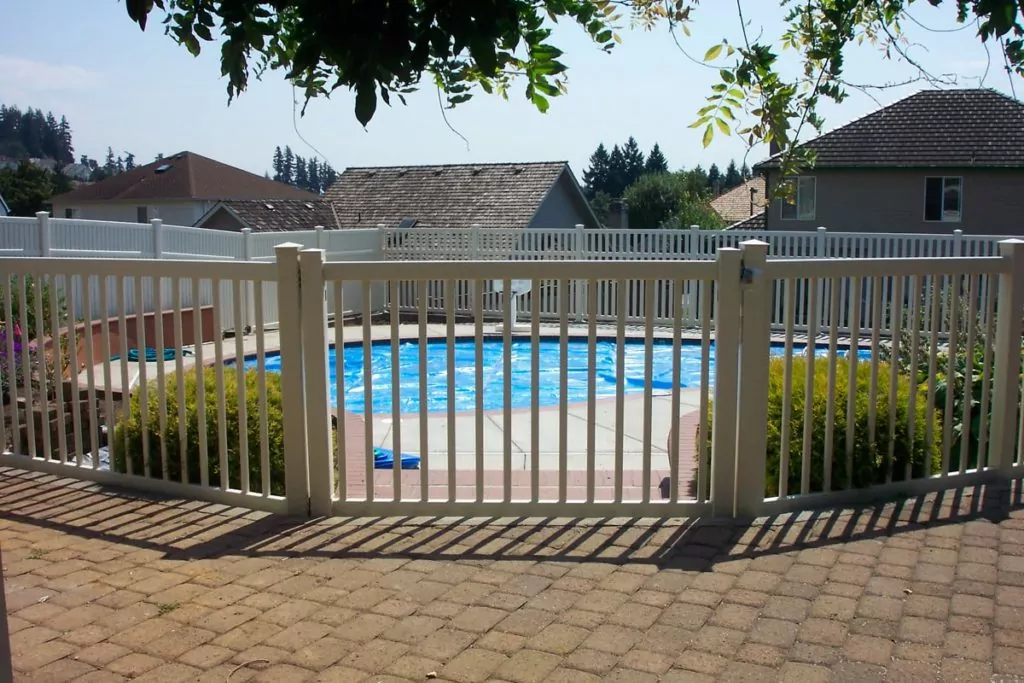
When thinking long term, durability matters just as much as appearance. Chain link fence and metal fencing tend to last for decades with minimal maintenance. Vinyl also performs well over time and resists many common issues like rot and insect damage.
Wood fences offer warmth and flexibility in design, but they require regular care. For some homeowners, that maintenance is worth it. For others, a lower-maintenance fencing solution makes more sense.
Balancing upfront cost with long-term performance is one of the most important parts of choosing the right fence.
Why Professional Experience Matters When Installing a Fence
Installing a fence is not just about setting posts and attaching panels. Soil conditions, drainage, slope, and local weather all affect how a fence performs over time. In the Pacific Northwest, fences need to withstand moisture, temperature changes, and shifting ground.
Working with an experienced fence company helps ensure proper installation, correct materials, and a finished product that holds up year after year. A professional can also help guide you toward fence types that meet your goals while staying within your budget.
Companies like Pacific Fence & Wire Co., which has served Portland and the surrounding area for generations, bring practical insight that homeowners cannot get from product descriptions alone.
Frequently Asked Questions About Choosing a Fence
What is the most budget-friendly fence option?
Chain link fencing is often the most budget-friendly upfront, especially for large areas. Vinyl fencing can also be cost-effective over the long term due to low maintenance.
Which fence lasts the longest?
Metal fencing, vinyl fences, and chain link fences tend to offer the longest lifespan with minimal upkeep.
Is wood or vinyl fencing better?
Wood offers a natural look and flexibility in design, while vinyl requires less maintenance. The best choice depends on your priorities and willingness to maintain the fence.
Do fences increase property value?
A well-designed fence can enhance curb appeal and make a property more attractive to buyers, especially when it improves privacy or security.
Do I need a permit to install a fence?
Permit requirements vary by location. It is always best to check local regulations before installing a fence.
Making the Right Choice for Your Property
Choosing the best fence comes down to understanding your needs, your property, and how you want the space to function. With the right guidance and materials, a fence can provide security, privacy, and lasting value.
If you are considering installing a fence and want expert advice tailored to your property, reach out to a trusted local fence company to explore your options and get a professional estimate.
A well-chosen fence is an investment that pays off every day. Give us a call and see how we can help.