
Updated January 2026
Durable, Dog-Proof Options That Last
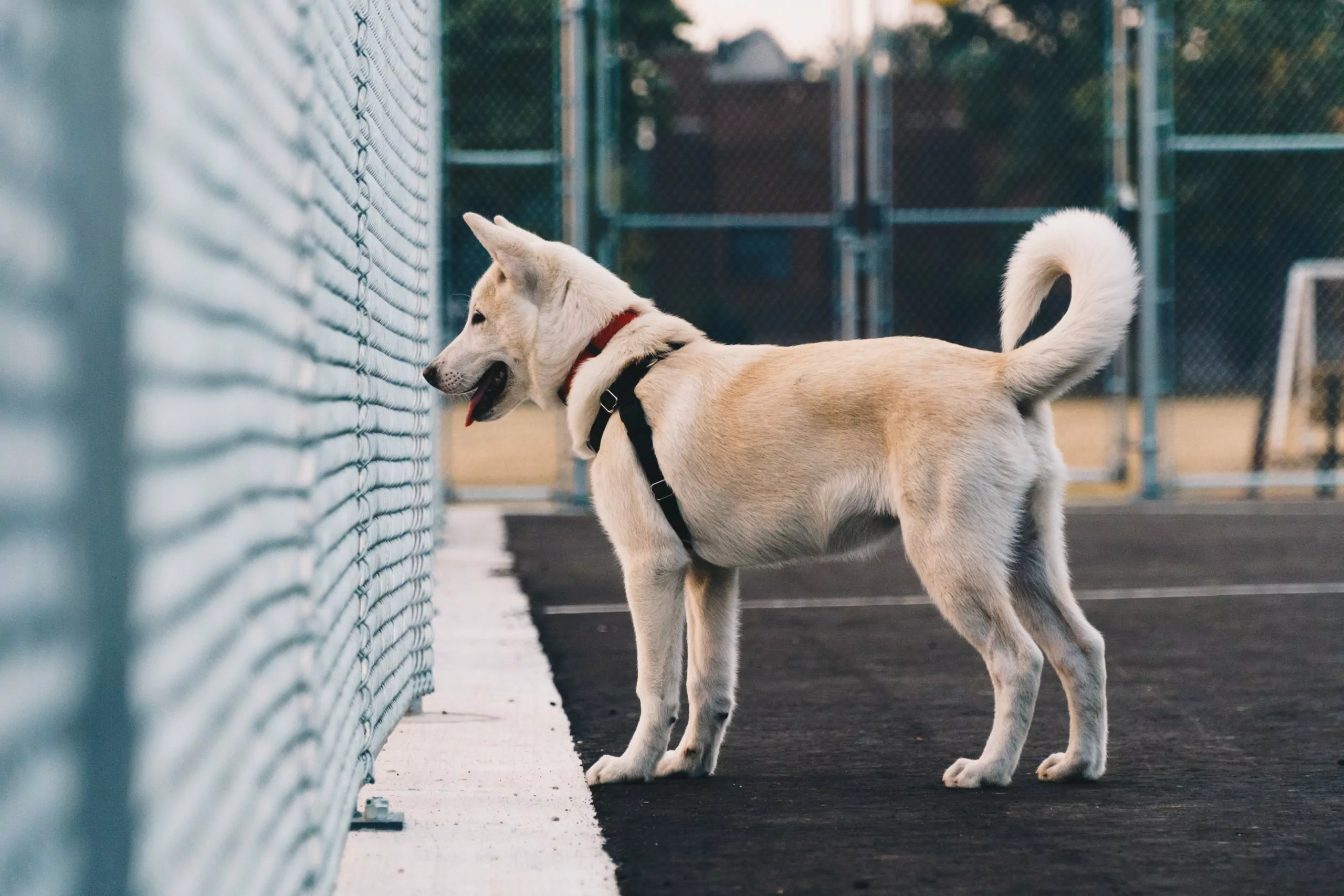
Giving your dog a safe outdoor space is about more than convenience. It’s about security, exercise, and peace of mind. A well-designed dog run allows your dog to move freely while staying protected. But choosing the best fencing for dog runs needs to consider how safe, durable, and effective that space will be over time.
Let’s breaks down the best fencing options for dog runs, with a focus on durability, materials, and long-term performance in the Pacific Northwest. Whether you’re planning a small backyard enclosure or a larger run, choosing the right fence from the start helps prevent escapes, repairs, and ongoing frustration.
What Is a Dog Run and Why Fence Choice Matters
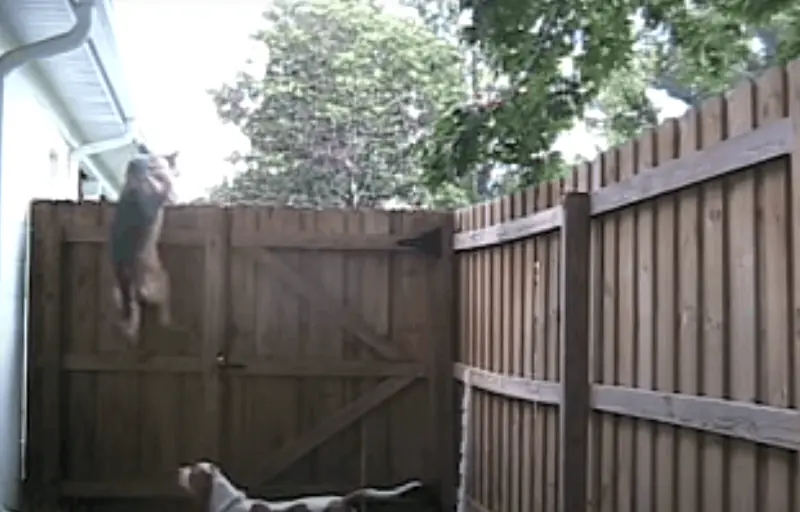
A dog run is an enclosed outdoor area designed to give dogs space to exercise safely without roaming beyond property boundaries. While the concept is simple, the execution matters. Dogs test fences through jumping, leaning, digging, chewing, and repeated daily use.
A fence that works well for decorative boundaries may fail quickly in a dog run. That’s why fencing for dogs must be selected and installed with behavior, strength, and weather exposure in mind.

What Makes a Fence “Dog-Proof”?
A dog-proof fence is one that anticipates real dog behavior instead of reacting to it later. Height alone is not enough. Effective dog run fencing resists pressure, prevents digging, eliminates gaps, and holds up to constant use.
Dog-proof fencing should:
- Stay rigid under repeated pushing or jumping
- Prevent access underneath for digging dogs
- Avoid materials that splinter, crack, or warp
- Maintain integrity through rain, mud, and seasonal weather
Just as important as material selection is professional installation. Even the strongest fence can fail if posts are shallow, panels are loose, or corners aren’t reinforced.
Durability and Materials That Hold Up to Dogs
Durability is the defining factor for dog run fencing. Dogs interact with fences daily, often at the same pressure points. Add Portland’s wet winters and soil conditions, and material choice becomes even more important.
A long-lasting dog fence must handle:
- Repeated physical contact
- Moisture and ground saturation
- Temperature swings
- UV exposure
- Occasional scratching or chewing
Materials that perform well in these conditions tend to outlast decorative or lightweight options by years.
Best Types of Fencing Materials for Dog Runs
Chain Link Fencing: Practical, Secure, and Proven
Chain link fencing remains one of the most dependable choices for dog runs, particularly for active or high-energy dogs.
Made from galvanized or vinyl-coated steel, chain link fencing resists bending and breaking under pressure. When installed with proper post depth, tension wire, and secure anchoring, it stands up extremely well to jumping and leaning.
Chain link fencing is also adaptable. For dogs that dig, the fence can be installed with buried extensions or concrete footings. For owners who want more privacy, visibility can be reduced with slats or landscaping without compromising strength.
This combination of affordability, durability, and flexibility makes chain link a top choice for many dog owners.
Vinyl Fencing: Clean, Low-Maintenance, and Dog-Friendly
Vinyl fencing is a popular option for dog runs where appearance and low maintenance matter.
Unlike wood, vinyl does not rot, warp, rust, or splinter. High-quality vinyl fencing is designed to flex slightly under pressure, which helps it withstand jumping or leaning from larger dogs. Solid panels also block sightlines, which can reduce barking triggered by outside movement.
Vinyl is easy to clean, an important consideration in muddy or wet environments. While the upfront cost may be higher than chain link, vinyl’s longevity and minimal upkeep often offset that investment over time.
Wood Fencing: Classic Look, Higher Maintenance
Wood fencing, particularly cedar, has long been used for dog runs in the Pacific Northwest. Cedar naturally resists insects and decay, but wood still requires more upkeep than other materials.
Dogs that chew or scratch may damage boards over time, and moisture exposure can lead to warping or loose panels. Solid wood fencing works best for dogs that benefit from reduced visual stimulation and owners willing to commit to maintenance and inspections.
Decorative Metal Fencing: Strong but Situational
Wrought iron and decorative metal fencing offer excellent strength and long service life, but spacing between pickets can be an issue for smaller dogs. These fences work best for larger breeds and properties where aesthetics are a primary concern alongside containment.
How to Choose a Long-Lasting Fence for Dogs
Choosing the best fence for your dog run depends on behavior, size, and environment.
Consider:
- Does your dog dig, jump, or lean?
- Do you want visibility or privacy?
- How much maintenance are you comfortable with?
- Is durability or appearance the top priority?
For many dog owners, chain link and vinyl fencing offer the best balance of security, durability, and long-term value, especially when professionally installed.
Why Vinyl Fences Are Popular for Dog Owners
Vinyl fences are increasingly popular for dog runs because they solve several common problems at once. They don’t splinter or rot, they clean easily, and they hold up well to repeated contact. For households that want a clean, polished look without frequent maintenance, vinyl is often a practical choice.
When installed correctly, vinyl fencing provides a strong, quiet barrier that works well for both dogs and homeowners.
How to Maintain Your Dog Fence for Longevity
Even durable fencing benefits from routine checks. Regular inspections help catch small issues before they become escape points.
Walk the fence line periodically to look for loose panels, sagging sections, or gaps at ground level. After heavy rain or storms, check posts and hardware. Keeping vegetation trimmed away from fencing also helps prevent moisture retention and material stress.
Simple maintenance extends fence life and keeps your dog run safe year after year.

Frequently Asked Questions About Dog Run Fencing
What is the best fence height for a dog run?
Most dog runs require fencing at least four to six feet tall, depending on the dog’s size and jumping ability.
Is chain link fencing safe for dogs?
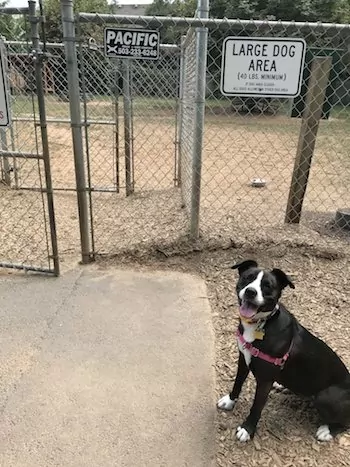
Yes. Properly installed chain link fencing is widely used for dog runs, kennels, and parks due to its strength and reliability.
Are vinyl fences strong enough for large dogs?
High-quality vinyl fencing is designed to flex under pressure and performs well for large dogs when installed correctly.
How do you stop dogs from digging under a fence?
Buried fencing, concrete footings, or reinforced bases are effective solutions for dogs that dig.
How long should a dog run fence last?
With quality materials and professional installation, dog run fencing can last decades with minimal maintenance.
Build a Dog Run Fence You Can Trust
A dog run fence should be strong, safe, and built for daily use, not just good intentions. Choosing the right materials and experienced installers ensures your dog stays secure and your investment lasts.
Pacific Fence & Wire Co. has been building durable fences in Portland and the Pacific Northwest since 1921. Whether you need a chain link dog run, a vinyl enclosure, or a custom solution, our team has the experience to build it right.
Contact Pacific Fence & Wire for a free estimate, or let us help you design and build a dog run fence that works for your property, your dog, and your peace of mind.